Aleppo pepper vs gochugaru
Two coarse red chile flakes from opposite ends of Asia that taste surprisingly alike: fruity, deep red, and only moderately hot.
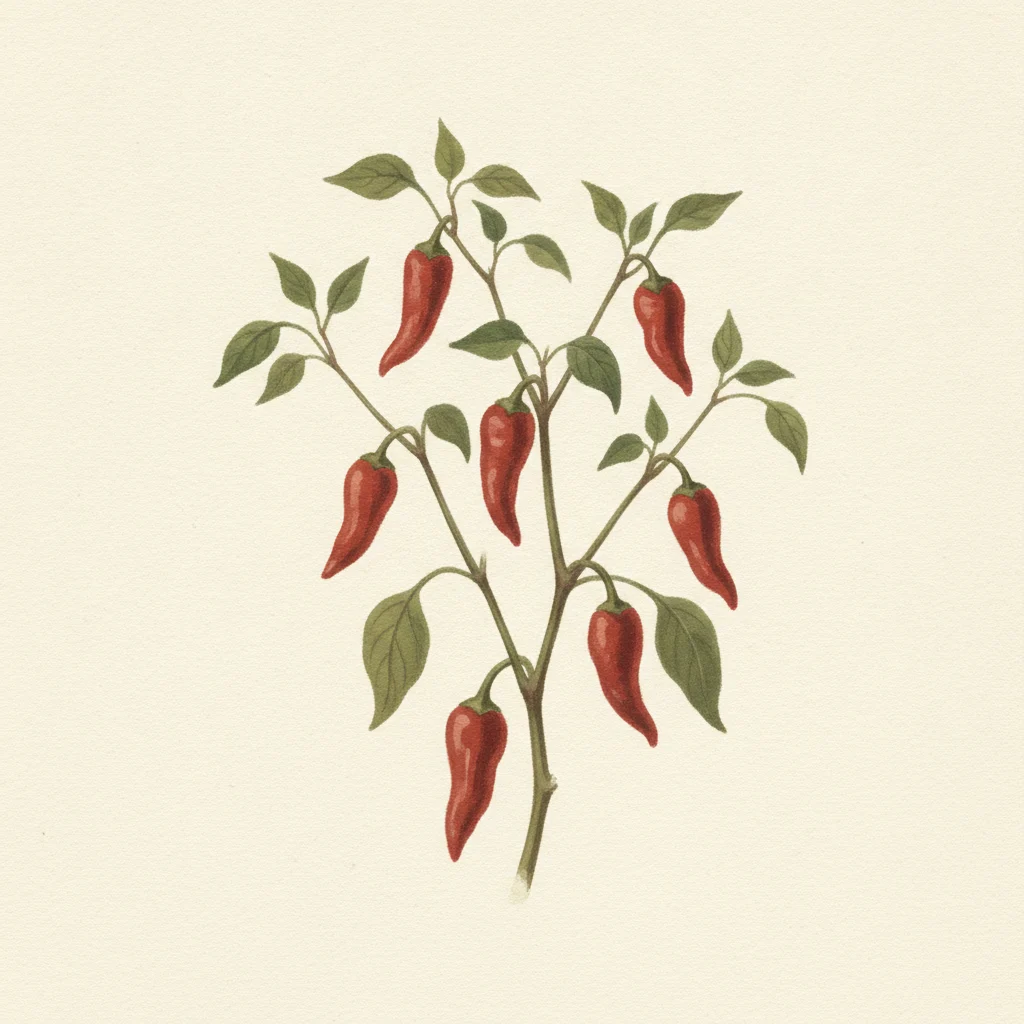
Aleppo pepper
Fruity, raisin-like, tart, mild heat
Aleppo pepper is a coarse red chile flake from the region around Aleppo in northern Syria and southern Turkey, where it is known as pul biber. It tastes fruity and raisin-like with a tart, almost sun-dried-tomato edge and only a gentle, slow heat, which makes it a finishing spice as much as a cooking one. It seasons grilled meats, eggs, hummus, and vegetables across the eastern Mediterranean. Much of the supply now comes from Turkey. It is closely comparable to Korean gochugaru, sharing the same fruity, moderate-heat character.
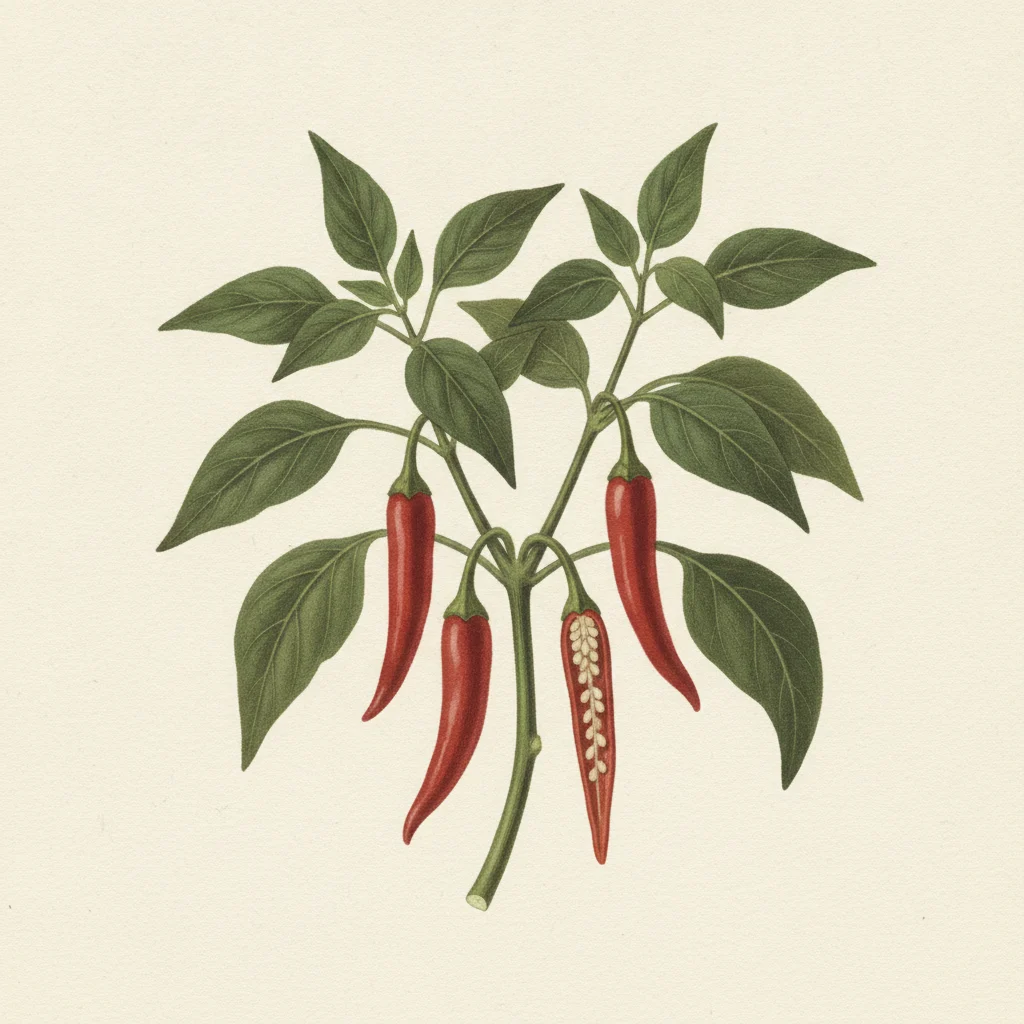
Gochugaru
Smoky, fruity, sweet, moderate heat
Gochugaru is the Korean red pepper made from sun-dried chiles, sold as coarse flakes or fine powder. With the seeds removed, it is fruity, smoky, and slightly sweet rather than fiercely hot, which lets it be used in quantity for both flavor and a deep red color. It is the heart of Korean cooking, essential to kimchi, stews, and marinades. It sits between sweet paprika and cayenne in heat, closer to the fruity, raisin-like character of Aleppo pepper than to a plain hot chile powder.
Which to use when
Both are fruity, mild-to-medium chile flakes you can use generously for color and flavor, not just heat. Reach for Aleppo pepper for its tart, sun-dried-tomato edge in Middle Eastern dishes; reach for gochugaru for Korean cooking, especially kimchi and stews. They substitute for each other about one for one, which is the easiest swap in this pair.
Common questions
- Can I substitute gochugaru for Aleppo pepper?
- Yes, roughly one for one. Both are fruity and moderately hot. Gochugaru is a touch sweeter, Aleppo a little more tart.
- Are Aleppo pepper and gochugaru spicy?
- Both are only moderately hot, milder than cayenne or red pepper flakes, which is why they can be used in larger amounts for flavor and color.
Stay in the loop
From the Almanac
Updates from Spice Almanac, when there is something worth sharing.