Tamarind vs amchur
Both bring sourness to Indian cooking from a fruit rather than a citrus, but they work in different forms. Tamarind is a sticky, sweet-sour pulp; amchur is a dry, tart mango powder.
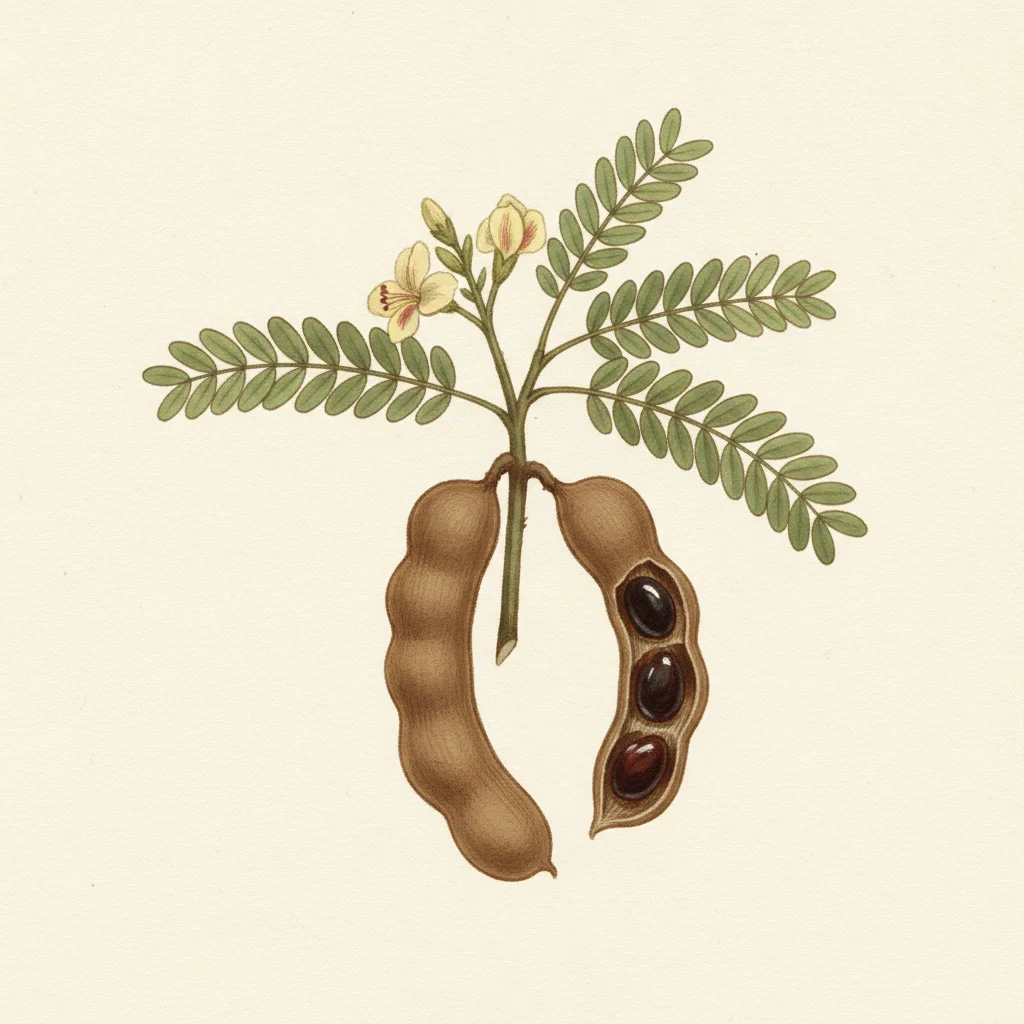
Tamarind
Sour, fruity, date-like, tangy
Tamarind is the sticky pulp inside the pods of Tamarindus indica, a tropical tree, and one of the most important souring agents in the world's kitchens. The pulp tastes sour and fruity with a date-like sweetness behind it, and it adds a tangy depth that lemon or vinegar cannot match. It is essential to South Indian, Thai, Mexican, and Middle Eastern cooking, in sambar, pad thai, agua fresca, and countless sauces and chutneys, and it is a base note in some commercial brown sauces. Sold as pulp, paste, or concentrate, it is soaked and strained to release its flavor.
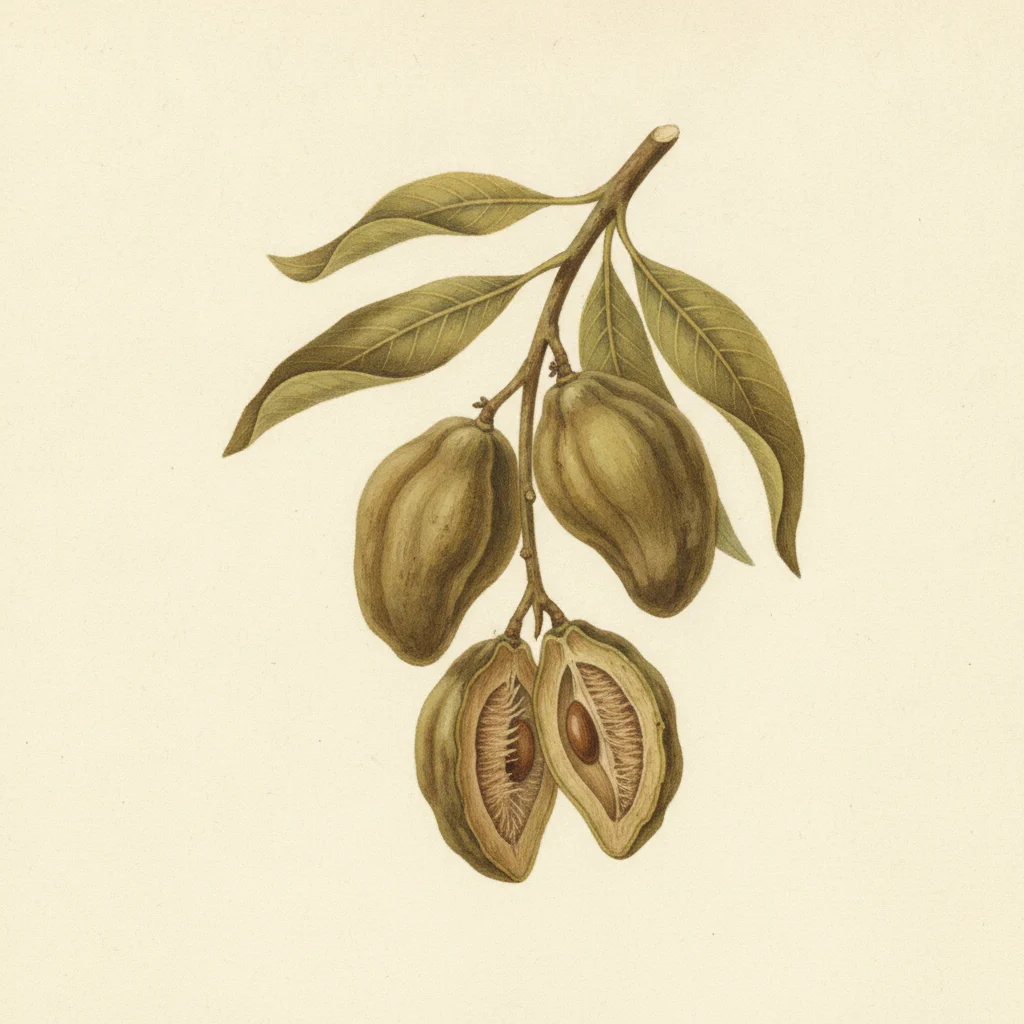
Amchur
Sour, tangy, fruity, faintly sweet
Amchur is a pale, tangy powder made from unripe green mangoes that are sliced, dried, and ground, used across North Indian cooking as a souring agent. It adds a fruity, sour brightness without the moisture of lemon or the heat of cooking down a fresh acid, which makes it useful in dry rubs, chaat, samosa fillings, and chickpea dishes. The flavor is sharply sour with a faint sweetness behind it. It plays a similar role to sumac in Middle Eastern food, both dry, red-or-tan souring powders, though their flavors differ.
Which to use when
Use tamarind when you want a deep, sweet-and-sour, almost date-like tang with body, in chutneys, sambar, and sauces. Use amchur when you want sourness without any liquid, in dry spice rubs, samosa fillings, and chana, where its powder form keeps things dry. Tamarind rounds and sweetens; amchur sharpens and stays dry.
Common questions
- What is the difference between tamarind and amchur?
- Both are sour fruit flavorings. Tamarind is a sweet-sour pulp from a pod, used wet. Amchur is a dry powder of unripe mango, used to add tartness without adding liquid.
- Can I substitute amchur for tamarind?
- Sometimes, knowing tamarind is sweeter and adds moisture. Amchur gives a sharper, drier sourness, so for a wet dish you may want a little sugar and water alongside it.
- Which is better for dry spice rubs?
- Amchur, because it is a powder. It adds sour, fruity tang to a rub or filling without the moisture that tamarind pulp or lemon juice would bring.
Stay in the loop
From the Almanac
Updates from Spice Almanac, when there is something worth sharing.