Sumac vs amchur
Two dry souring powders from different cuisines: sumac from the Middle East, amchur from India. Both add tang without the liquid of lemon.
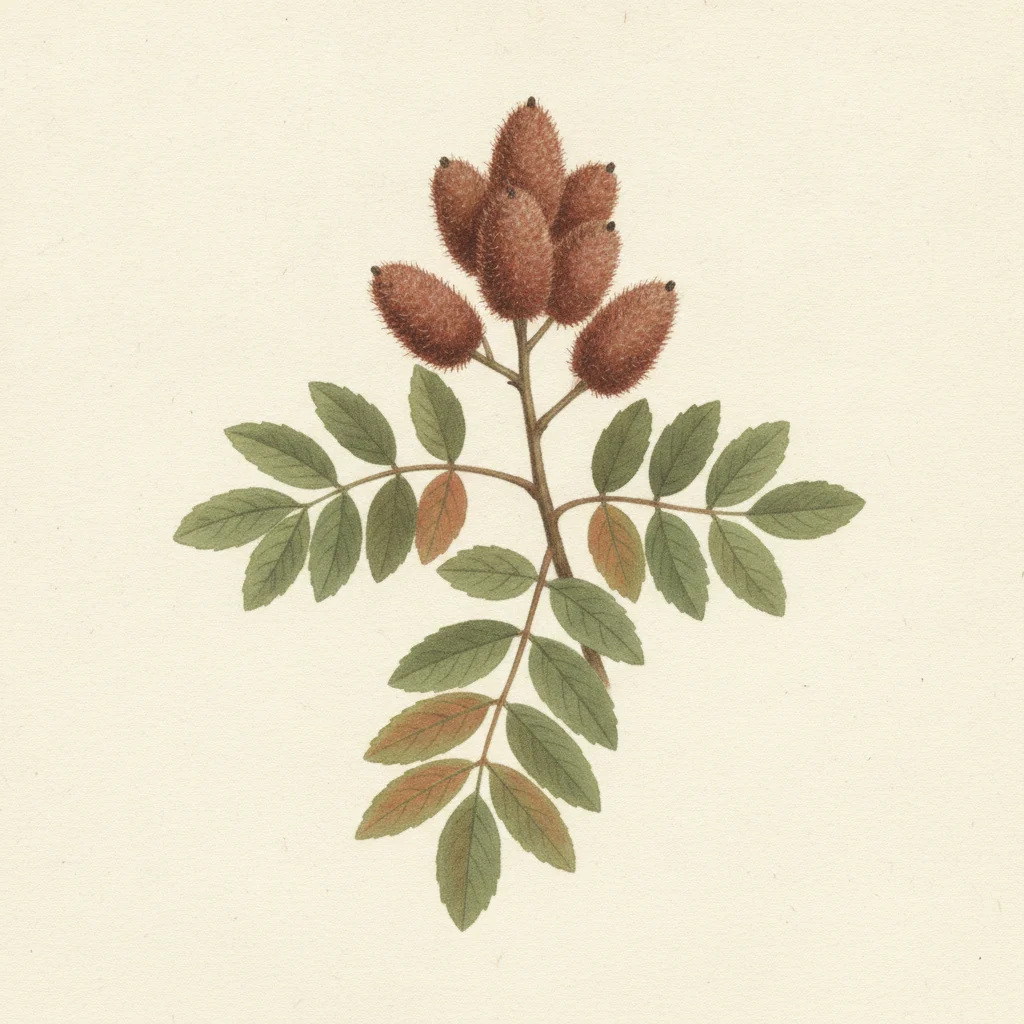
Sumac
Tart, lemony, fruity, deep red
Sumac is a tart, lemony, deep-red spice ground from the dried berries of Rhus coriaria, a shrub that grows around the Middle East and Mediterranean. The coarse crimson powder tastes bright and sour with a fragrant, slightly fruity edge, and it adds acidity without the liquid of lemon juice, which makes it useful for rubs, dips, and dressings. It is a defining note in Levantine cooking, scattered over hummus, fattoush salad, and grilled meats, and it is a main ingredient in the blend za'atar. The culinary species is unrelated to the poison sumac of North American wetlands.
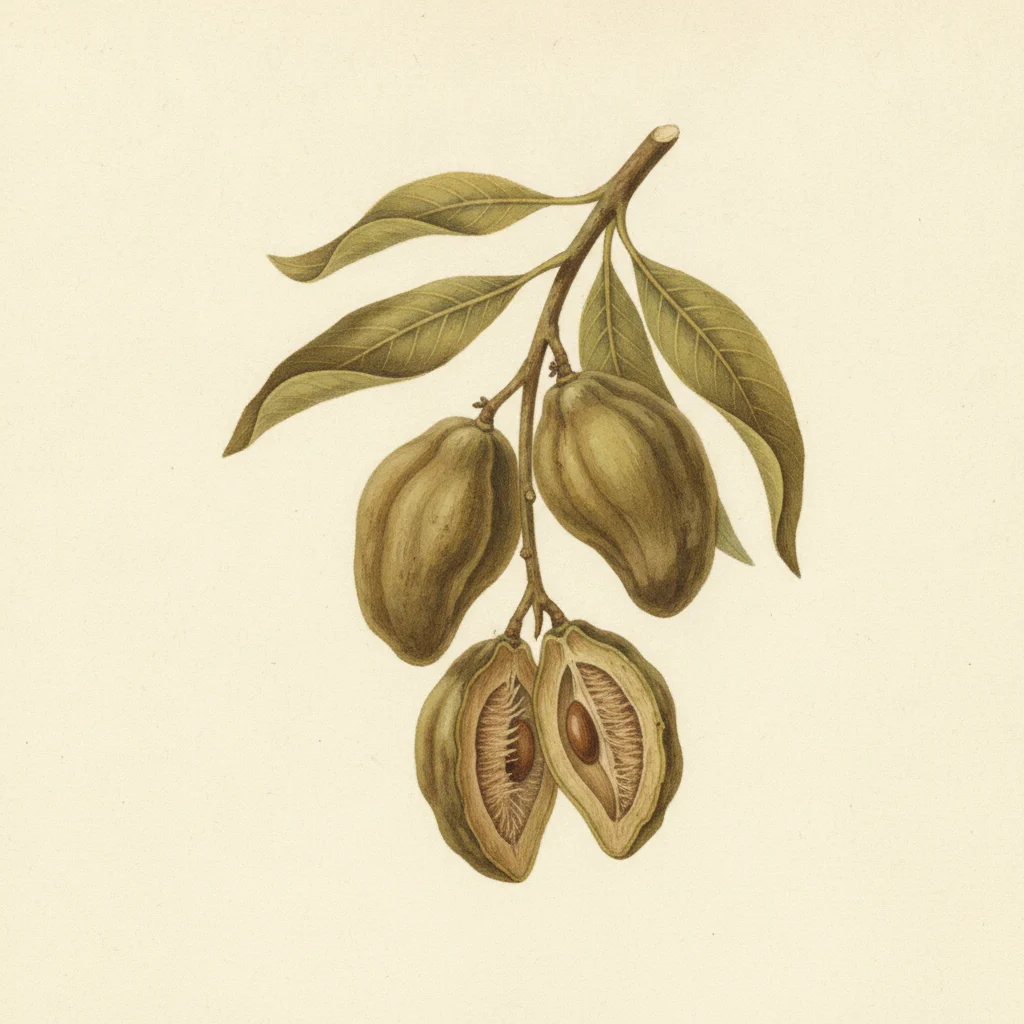
Amchur
Sour, tangy, fruity, faintly sweet
Amchur is a pale, tangy powder made from unripe green mangoes that are sliced, dried, and ground, used across North Indian cooking as a souring agent. It adds a fruity, sour brightness without the moisture of lemon or the heat of cooking down a fresh acid, which makes it useful in dry rubs, chaat, samosa fillings, and chickpea dishes. The flavor is sharply sour with a faint sweetness behind it. It plays a similar role to sumac in Middle Eastern food, both dry, red-or-tan souring powders, though their flavors differ.
Which to use when
Use sumac for its tart, lemony, slightly tannic note and deep red color, scattered over Levantine dishes. Use amchur for a fruity, sharper sourness in North Indian cooking, especially in dry rubs and chaat. They swap roughly one for one as a dry acid, with sumac reading more lemon-tannic and amchur more green-mango fruity.
Common questions
- Can I substitute amchur for sumac?
- Yes, about one for one, as a dry souring agent. Amchur is fruitier and paler; sumac is more lemony and tannic with a red color.
- Why use a souring powder instead of lemon?
- A dry powder adds tang without extra liquid, which is why both suit spice rubs, fillings, and finishing where lemon juice would make a dish wet.
Stay in the loop
From the Almanac
Updates from Spice Almanac, when there is something worth sharing.