Nigella vs cumin
Nigella is widely sold as black cumin, which has caused decades of confusion, because it is not cumin at all. The two are unrelated plants whose small dark seeds only look a little alike.

Nigella
Pungent, nutty, oniony, herbal
Nigella is the small, jet-black seed of Nigella sativa, with a flavor that is pungent and nutty with hints of onion, oregano, and pepper. Confusingly it is sold under many names, including black seed, kalonji, and even black cumin, though it is not related to cumin at all. The seeds are most familiar sprinkled over naan, Turkish bread, and savory pastries, and they season vegetable dishes and pickles across South Asia and the Middle East. They are used whole, often toasted, for crunch and a savory lift.
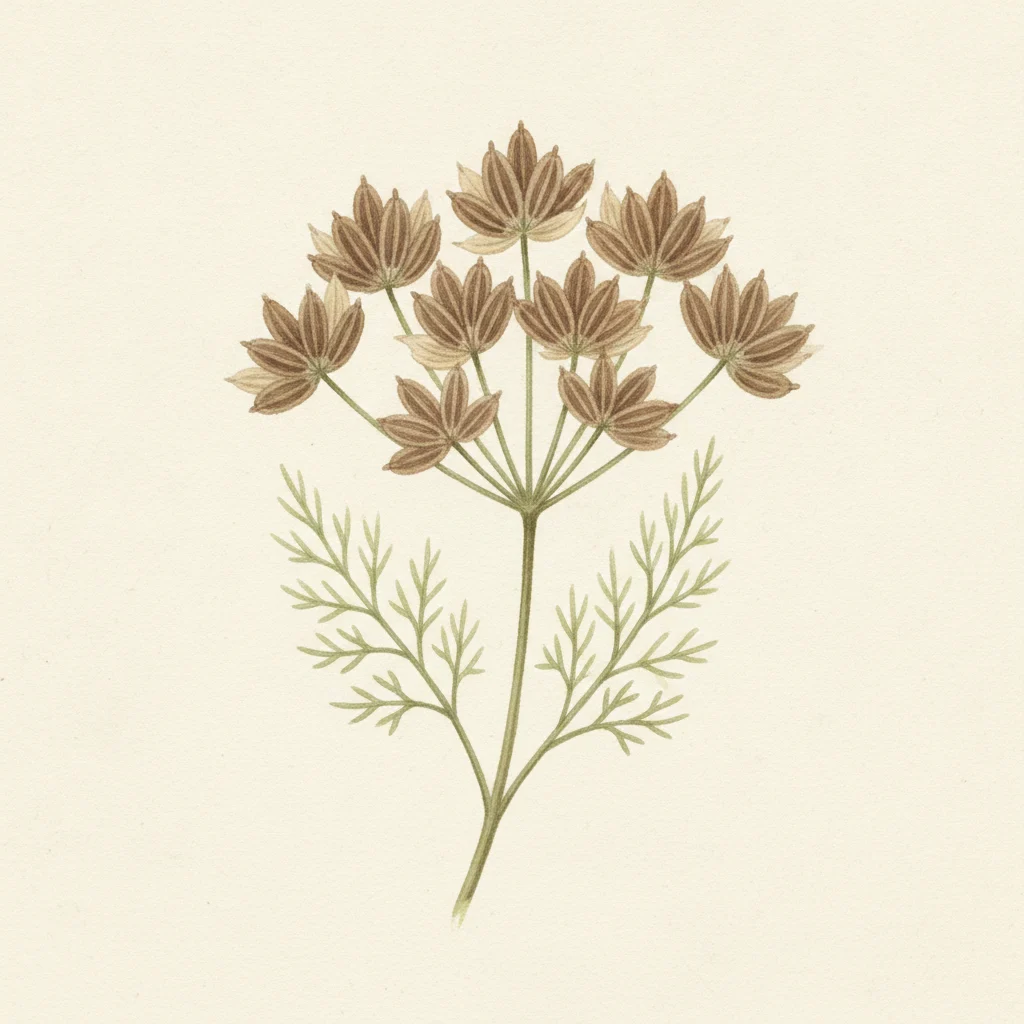
Cumin
Earthy, warm, nutty, faintly bitter
Cumin is the dried seed of Cuminum cyminum, a small plant in the parsley family, and one of the most widely used spices on earth. Whole, the seeds are slim and ridged; ground, the powder is tan and oily. The flavor reads earthy and warm with a nutty, slightly bitter edge that toasting deepens. It is a backbone spice in Indian, Mexican, Middle Eastern, and North African cooking, where it carries chili, beans, lamb, and rice. Cumin is easy to mistake for caraway by sight, but the two taste apart: caraway leans sharp and aniseed, cumin leans warm and earthy.
Which to use when
Use nigella, also sold as kalonji, when you want its oniony, peppery crunch scattered over flatbreads, naan, and potatoes. Use cumin when you want deep, earthy warmth worked into the body of a dish, in chili, curry, and lamb. They taste nothing alike, so one cannot stand in for the other; the shared name is a marketing accident, not a flavor match.
Out of nigella? Substitutes
No substitute is exact. These are the closest by flavor behavior, with the ratio to start from and how the result will differ.
| Use instead | Ratio | How it differs |
|---|---|---|
| a mix of toasted sesame and a little black pepper | to taste | covers the nutty side, not the oniony note |
| toasted cumin or caraway | use less | earthier, lacks nigella's onion edge |
Out of cumin? Substitutes
No substitute is exact. These are the closest by flavor behavior, with the ratio to start from and how the result will differ.
| Use instead | Ratio | How it differs |
|---|---|---|
| Ground coriander | 1:1 | citrusy and sweeter, loses the earthy musk |
| caraway seed | use about half | sharper and more aniseed, less warm |
Common questions
- Is nigella the same as black cumin?
- No. Nigella is often labeled black cumin, but it is a different, unrelated plant. True cumin is brown and earthy; nigella is jet black and tastes oniony and peppery.
- Can I substitute cumin for nigella?
- Not well, because they taste completely different. Cumin is earthy and warm; nigella is oniony and sharp. If you need nigella's crunch and bite, toasted sesame with a little black pepper comes closer than cumin.
- What is kalonji?
- Kalonji is another name for nigella seed, common in South Asian cooking, where it is scattered on breads and used to temper hot oil for dals and vegetables.
Newsletter
Something new in the cabinet
Every so often: a new spice, a swap that works, or a trick worth stealing. No spam.