Cumin vs caraway
These two seeds look almost identical, which causes endless mix-ups, but they taste clearly different once you cook with them.
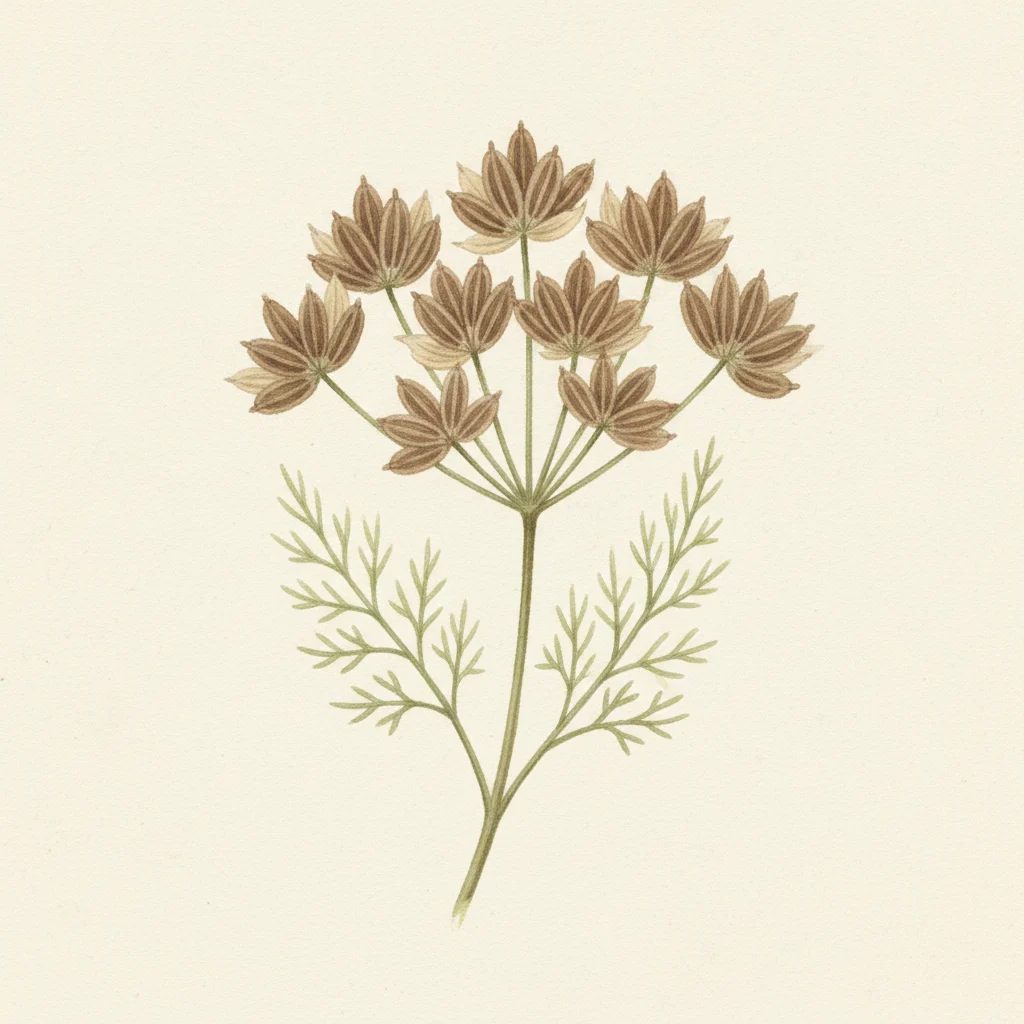
Cumin
Earthy, warm, nutty, faintly bitter
Cumin is the dried seed of Cuminum cyminum, a small plant in the parsley family, and one of the most widely used spices on earth. Whole, the seeds are slim and ridged; ground, the powder is tan and oily. The flavor reads earthy and warm with a nutty, slightly bitter edge that toasting deepens. It is a backbone spice in Indian, Mexican, Middle Eastern, and North African cooking, where it carries chili, beans, lamb, and rice. Cumin is easy to mistake for caraway by sight, but the two taste apart: caraway leans sharp and aniseed, cumin leans warm and earthy.
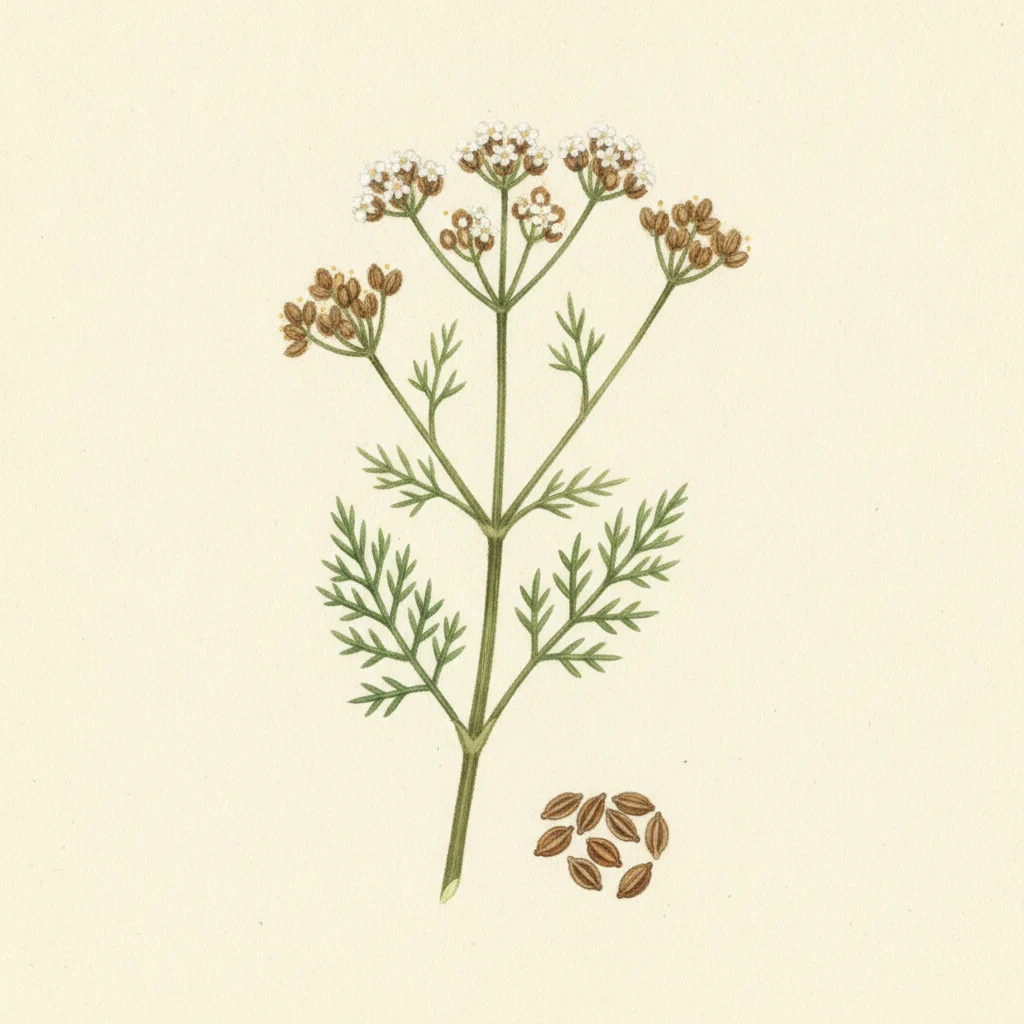
Caraway
Sharp, warm, anise, faintly citrus
Caraway is the dried seed of Carum carvi, a plant in the carrot family native to Europe and western Asia, with a sharp, warm, faintly anise flavor and a hint of citrus. The slim brown crescents look almost identical to cumin seeds, a common mix-up, but the two taste clearly different: caraway is brighter and more aniseed, cumin is earthier and warmer. Caraway defines rye bread, sauerkraut, and many central European dishes, and it pairs with cabbage, pork, and aged cheese. It also turns up in the North African chile paste harissa.
Which to use when
Use cumin for earthy, warm depth in chili, curry, and tacos. Use caraway for its sharper, aniseed brightness in rye bread, cabbage, and sauerkraut. They are not good swaps for each other; reaching for the wrong jar changes a dish noticeably.
Common questions
- Are cumin and caraway the same?
- No. They look alike and are both seeds in the carrot family, but cumin is earthy and warm while caraway is sharp and aniseed.
- Can I swap caraway for cumin?
- Only in a pinch, using a bit less, and expect a more aniseed result. They are different enough that most recipes notice the change.
Stay in the loop
From the Almanac
Updates from Spice Almanac, when there is something worth sharing.