Ancho vs guajillo
These two dried Mexican chiles are the backbone of mole and adobo, often used together, which makes their differences easy to miss. One is sweet and soft, the other tangy and bright.
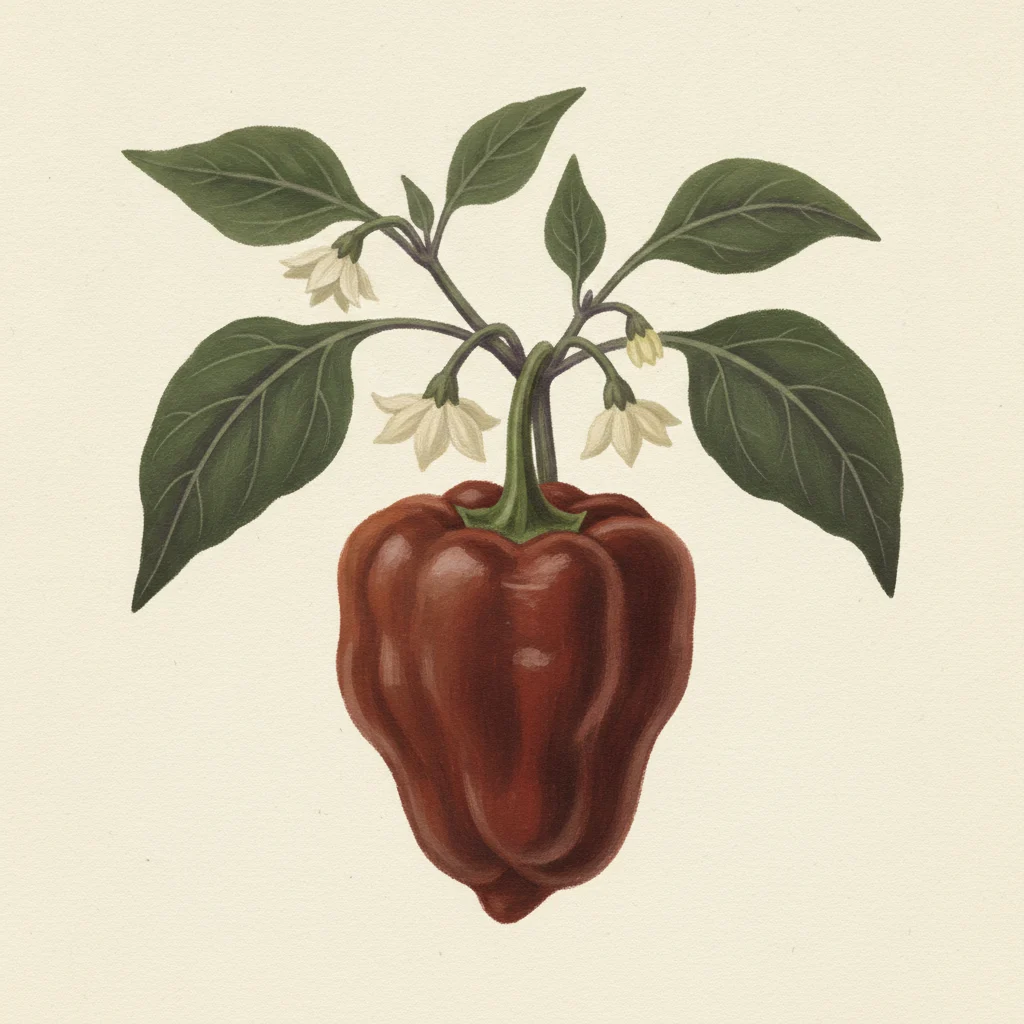
Ancho chile
Sweet, raisiny, mild, gently smoky
The ancho is a dried poblano pepper, one of the most important chiles in Mexican cooking, and the sweet, mild foundation of many mole and adobo sauces. Dark, wrinkled, and wide, it tastes of dried fruit, raisin, and a little chocolate, with only gentle heat. Whole pods are toasted, soaked, and blended into rich sauces, while ground ancho seasons rubs and stews. With its sweeter, fruitier cousins, the ancho is one corner of the classic dried-chile trio used in Mexican kitchens. It carries deep flavor rather than fire.
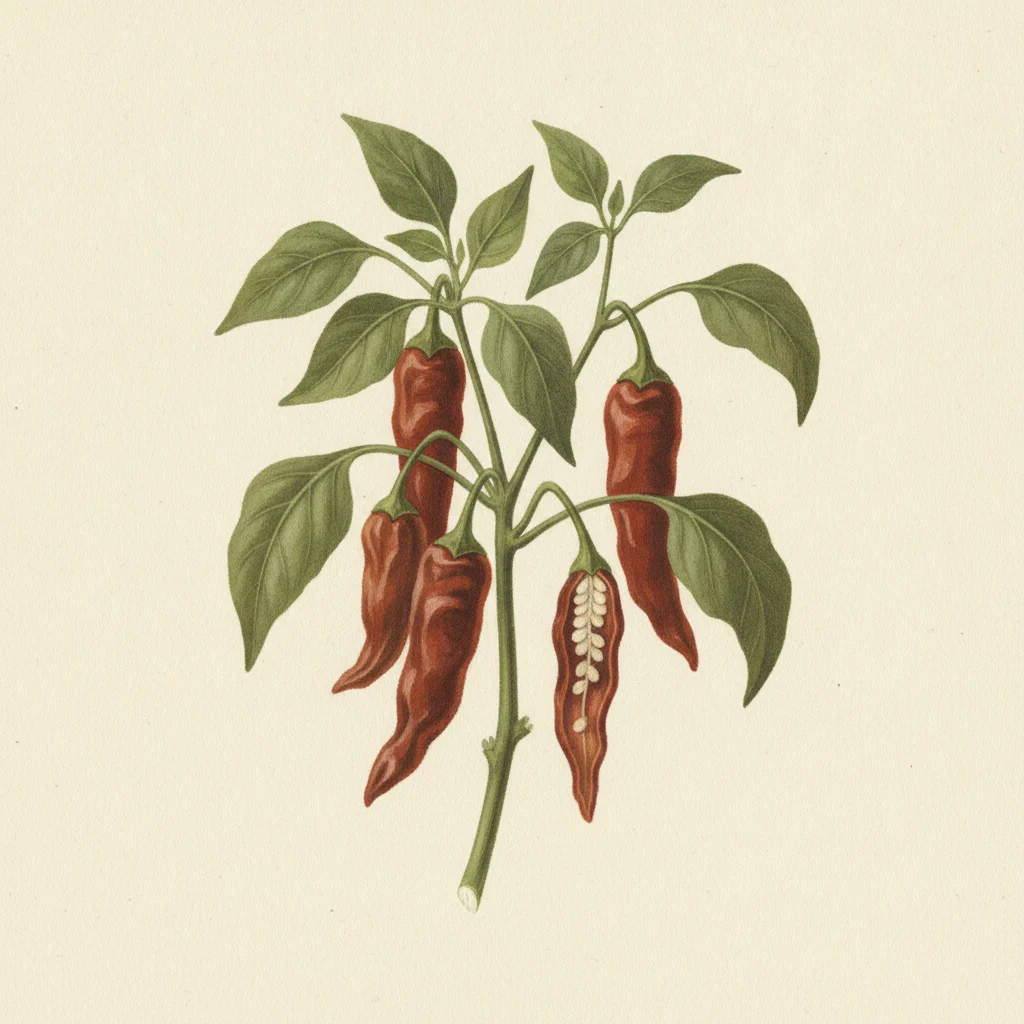
Guajillo chile
Tangy, fruity, berry-like, medium heat
The guajillo is the dried form of the mirasol chile and one of the most used dried chiles in Mexico, valued for a bright, tangy, berry-like fruitiness and a clean medium heat. Smooth-skinned and deep red, it brings tang and color where the ancho brings sweetness and the chipotle brings smoke, and the three are often combined. Guajillos are toasted, soaked, and blended into salsas, adobos, and the marinades for birria and barbacoa. The skin is tough, so purees are frequently strained. It is more about flavor and color than searing heat.
Which to use when
Use ancho, the dried poblano, when you want dark, raisiny sweetness and almost no heat, the base note of a mole. Use guajillo, with its berry-like tang and gentle heat, when you want brightness and a cleaner red color. They are partners more than rivals, and many sauces use both. If you must pick one, ancho gives body, guajillo gives lift.
Common questions
- What is the difference between ancho and guajillo chiles?
- Ancho is a dried poblano: sweet, raisiny, and very mild. Guajillo is a dried mirasol: tangy, fruity, and a little hotter. Ancho gives sweetness and body, guajillo gives brightness and a cleaner heat.
- Can I substitute ancho for guajillo?
- Yes, at about one for one, knowing the sauce will turn sweeter and milder, with less of guajillo's tangy edge. Going the other way, guajillo makes a brighter, slightly hotter result.
- Which chiles are in mole?
- Most moles build on a trio of dried chiles: ancho for sweetness, guajillo for brightness, and a smoky chile such as a dried chipotle for depth.
Stay in the loop
From the Almanac
Updates from Spice Almanac, when there is something worth sharing.