Spices in Thai cooking
Thai cooking leans on floral, citrusy, and sweet notes: Coriander seed, Pandan, Tamarind, Lemongrass, Makrut lime leaf, and Ginger sit at the center, with the wider set on this page rounding out the repertoire. Aromatic rather than dry-spice led: lemongrass, makrut lime leaf, galangal, white pepper, coriander root.
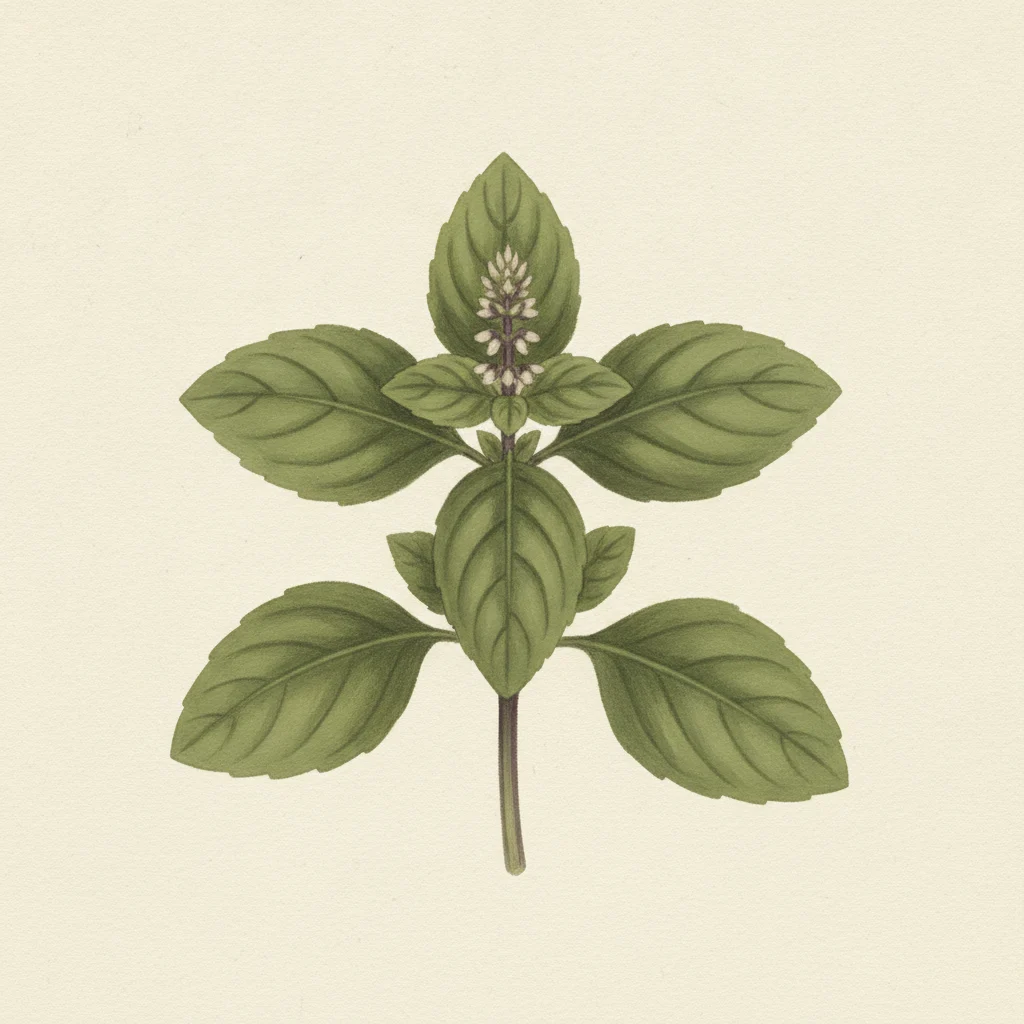
Basil
Sweet, peppery, clove and anise
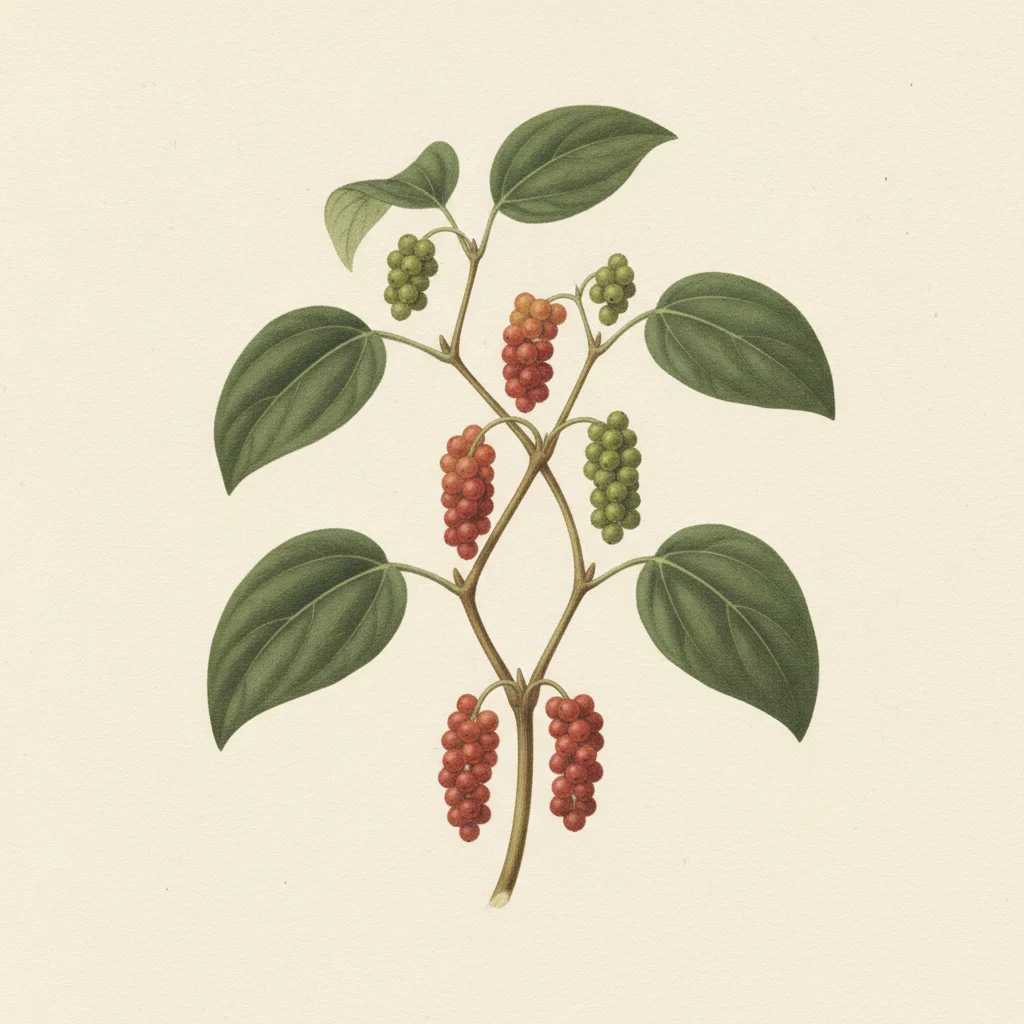
Black pepper
Pungent, sharp, woody, warmly biting
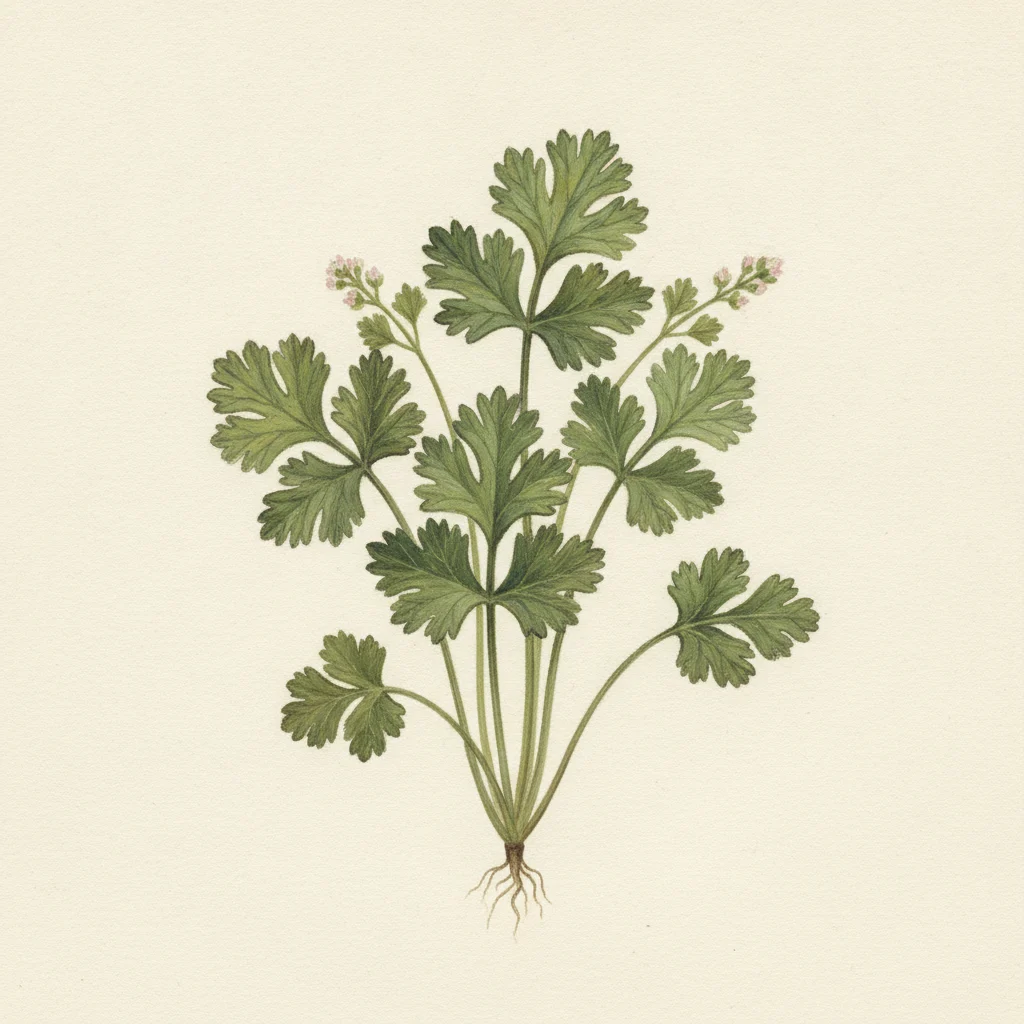
Cilantro
Bright, citrusy, pungent, fresh
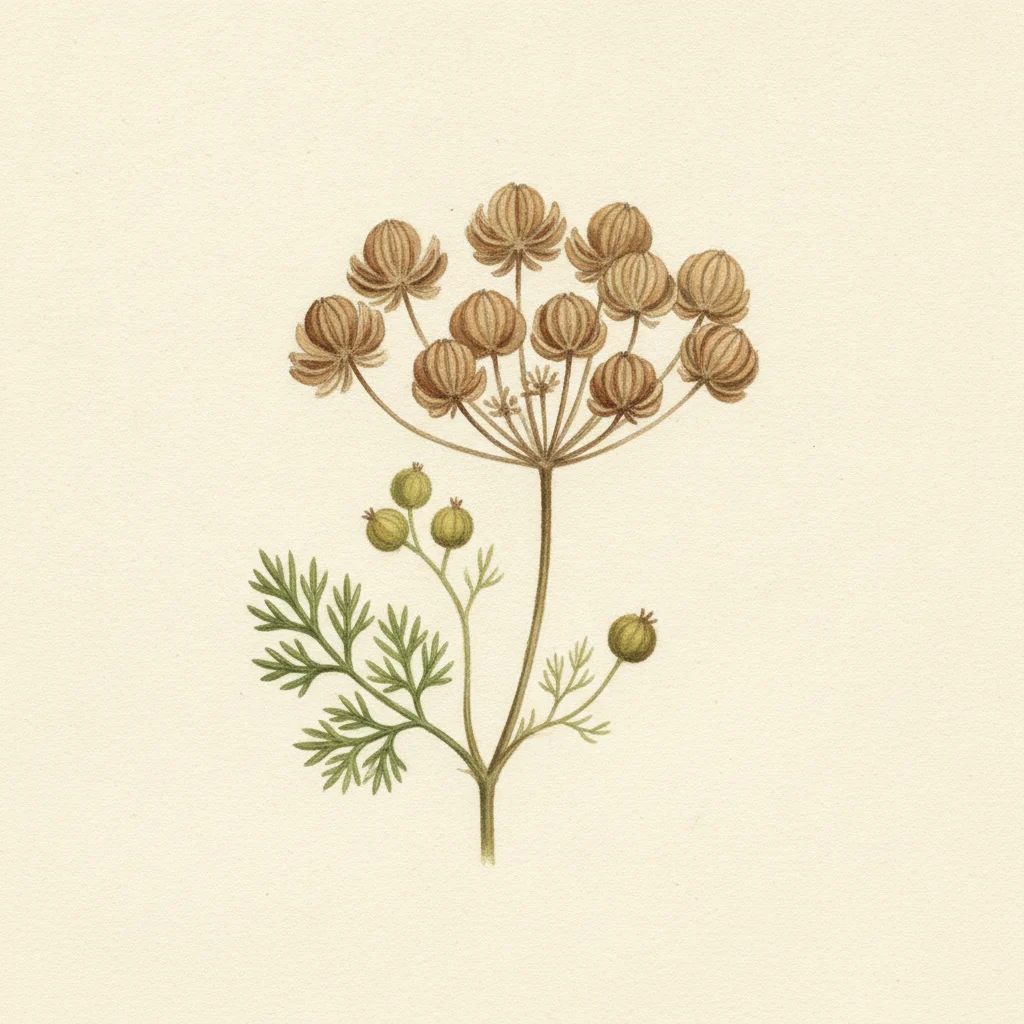
Coriander seed
Citrusy, floral, warm, lightly sweet
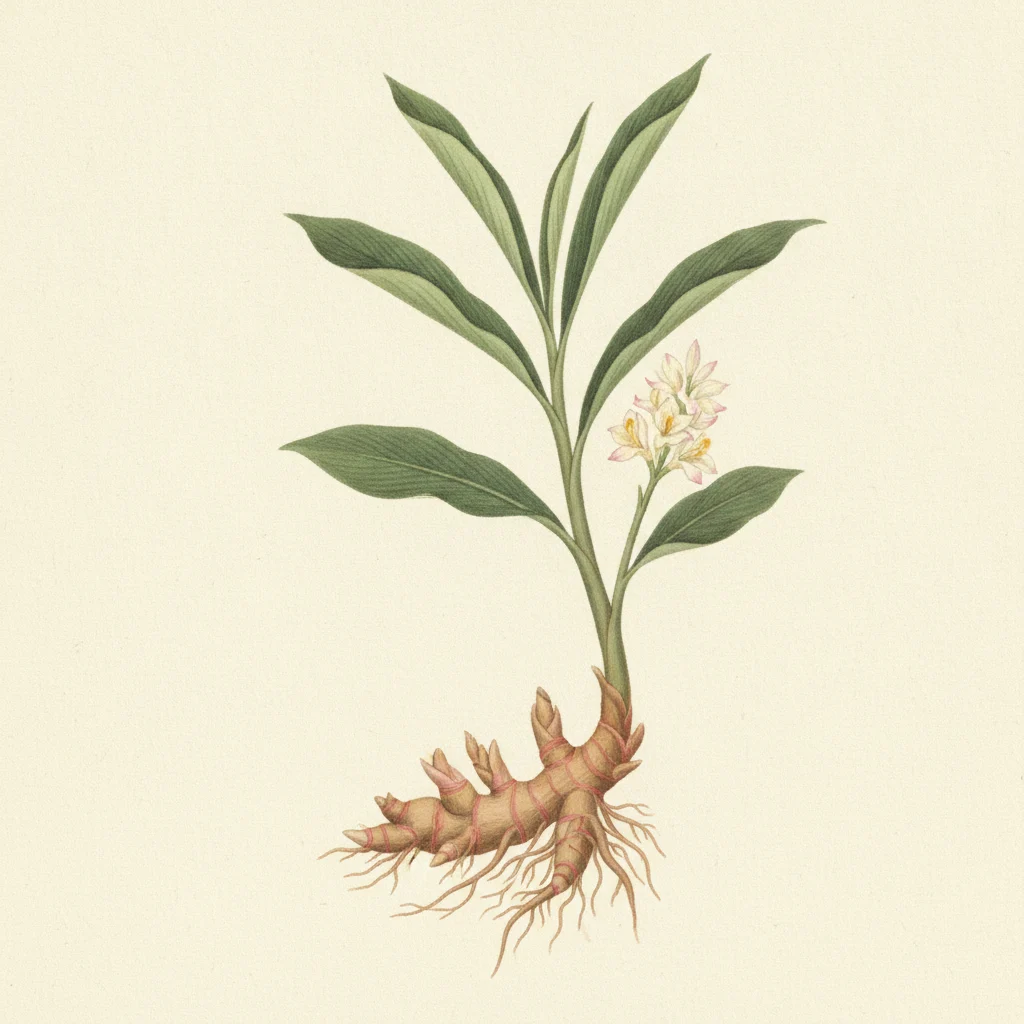
Galangal
Sharp, piney, citrusy, peppery
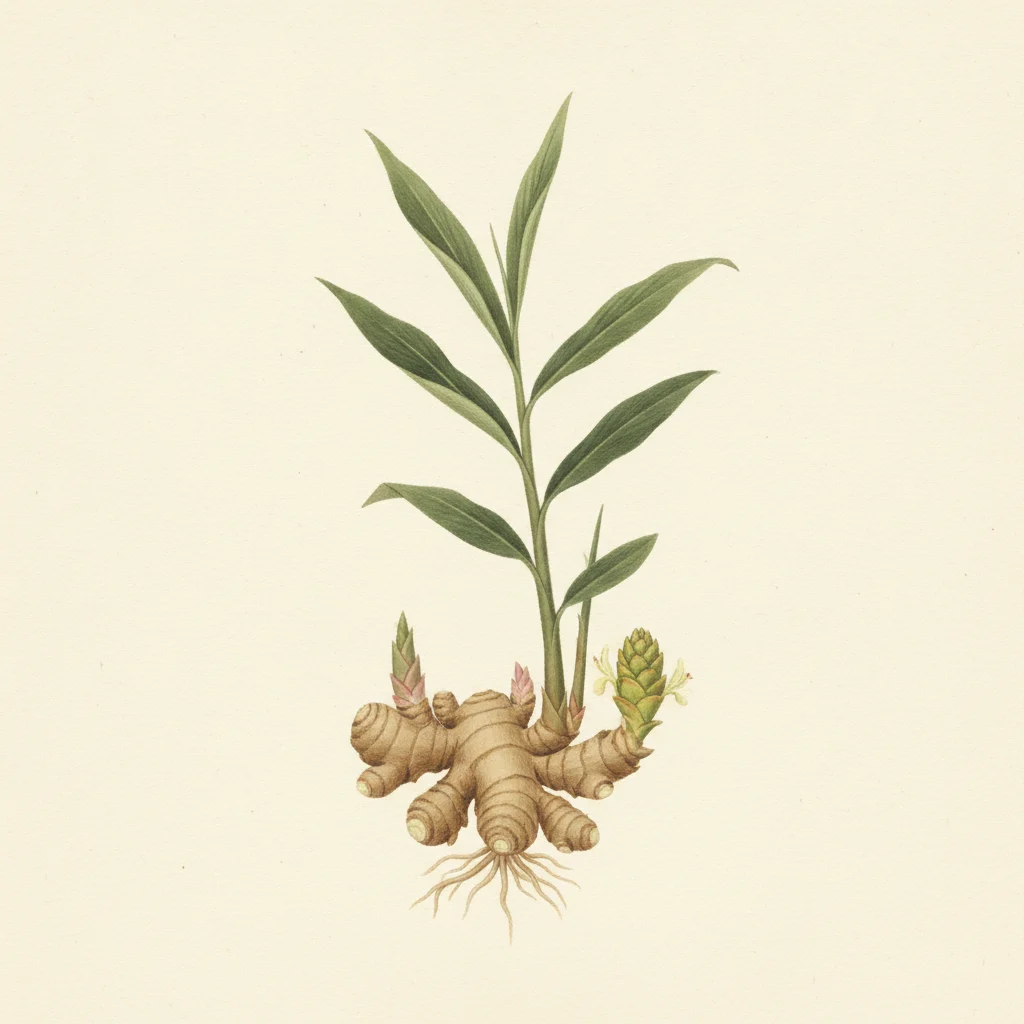
Ginger
Pungent, warm, bright, citrusy
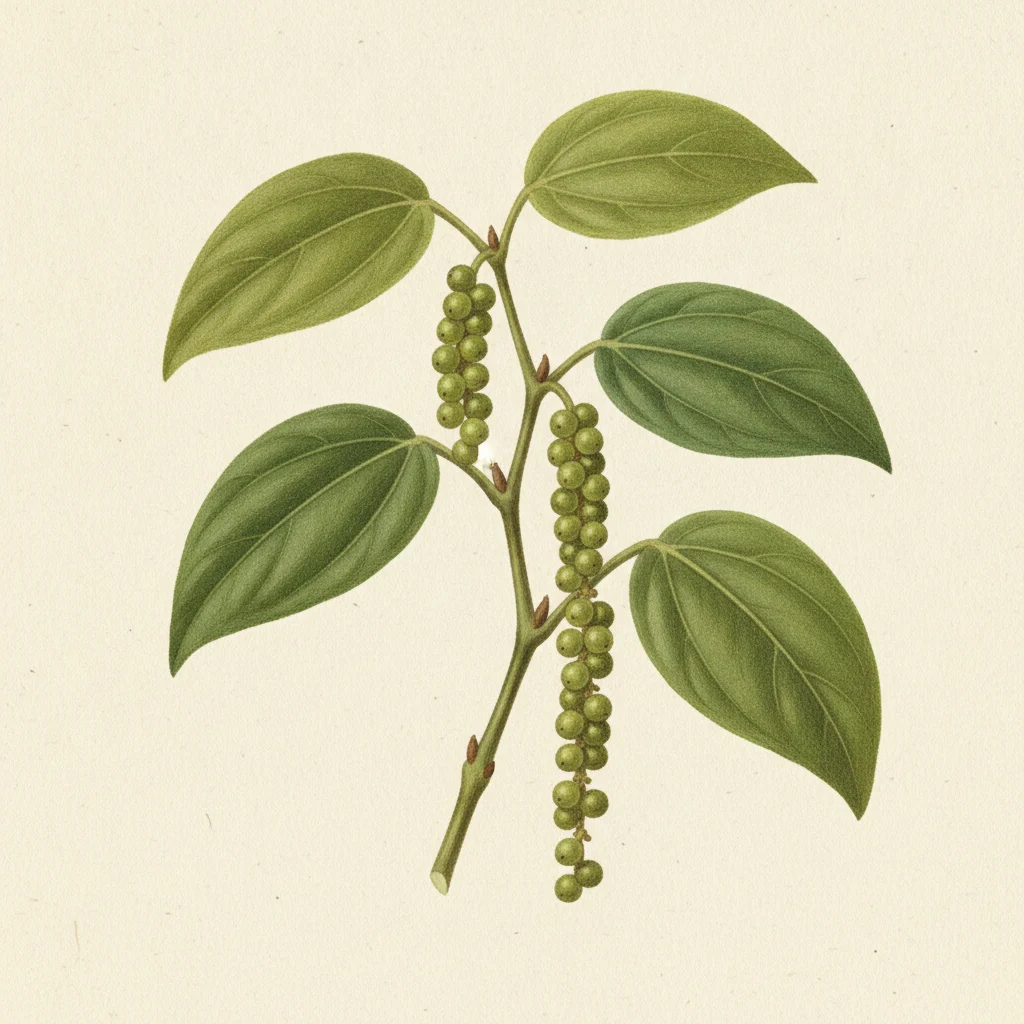
Green peppercorn
Fresh, bright, mild, herbaceous pepper
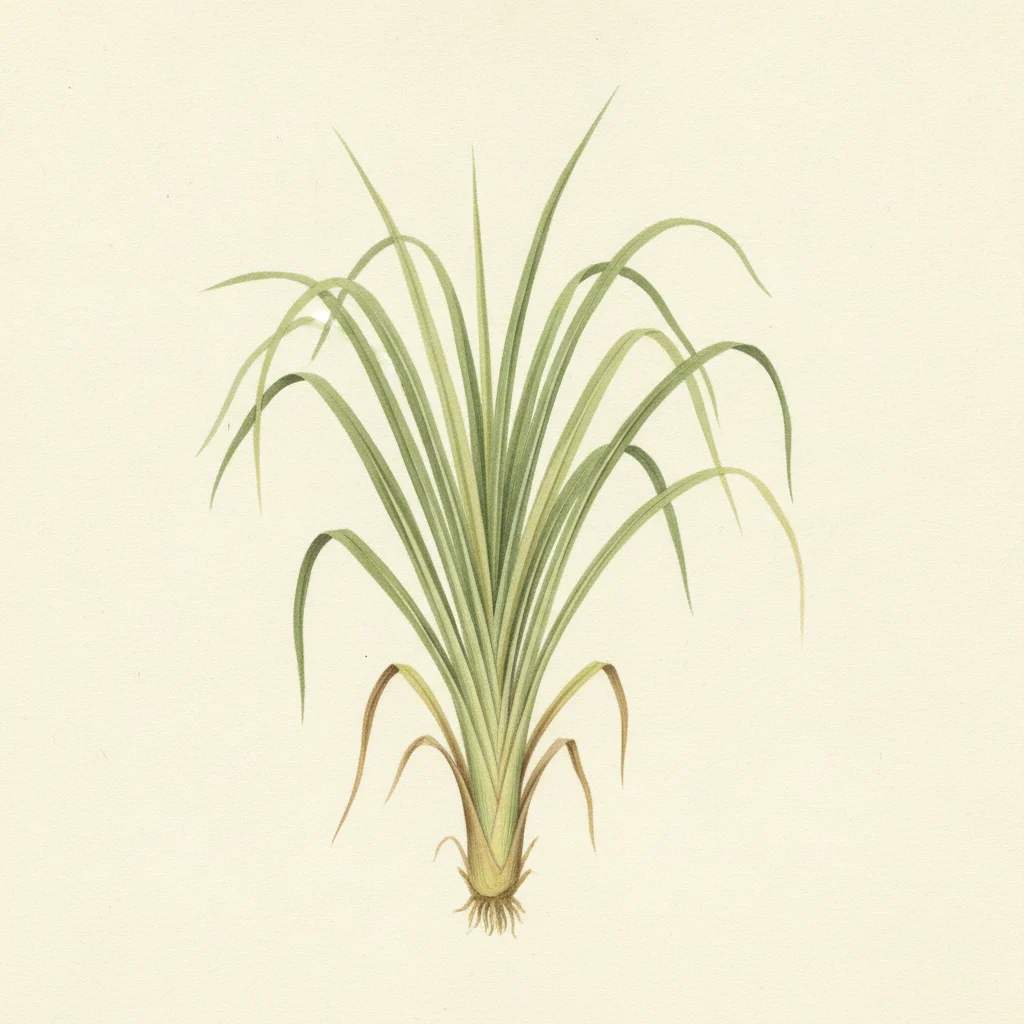
Lemongrass
Bright, lemony, floral, grassy
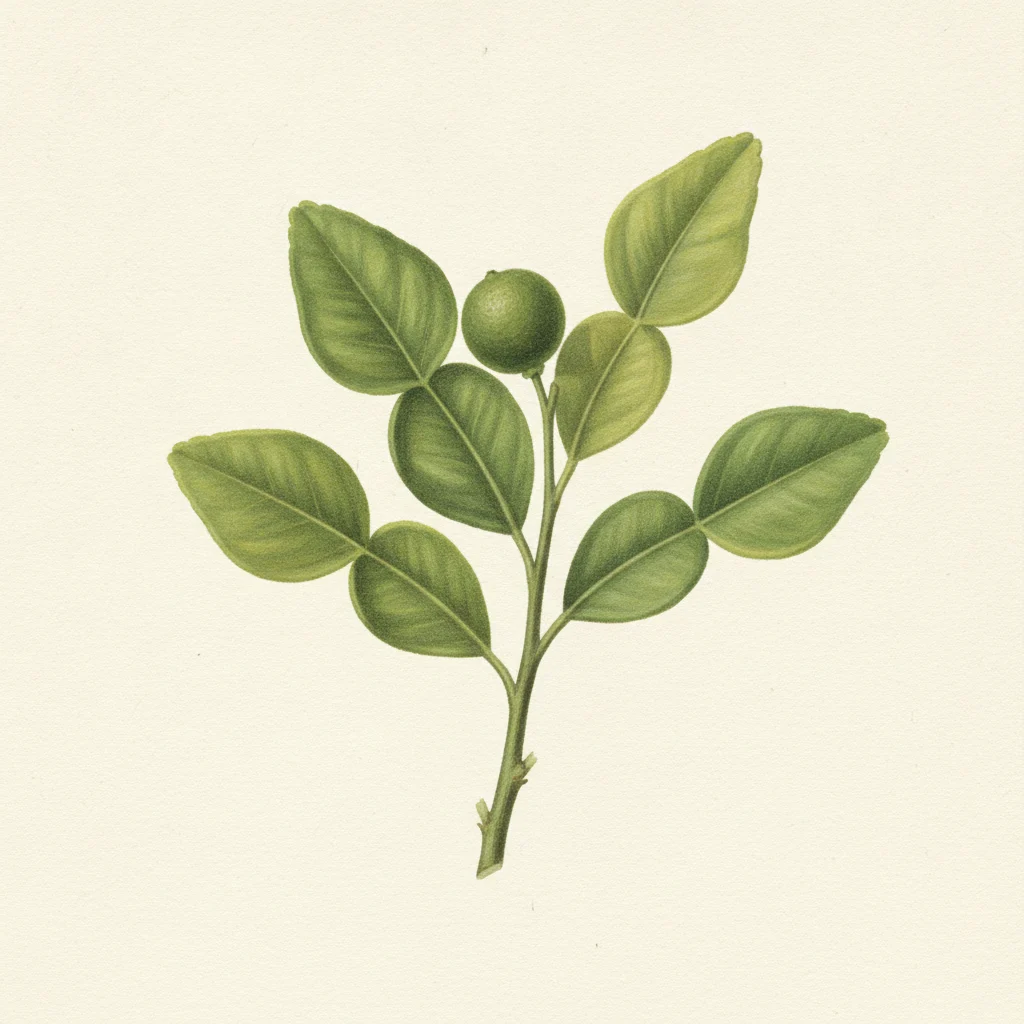
Makrut lime leaf
Intense, floral, citrus-peel aroma
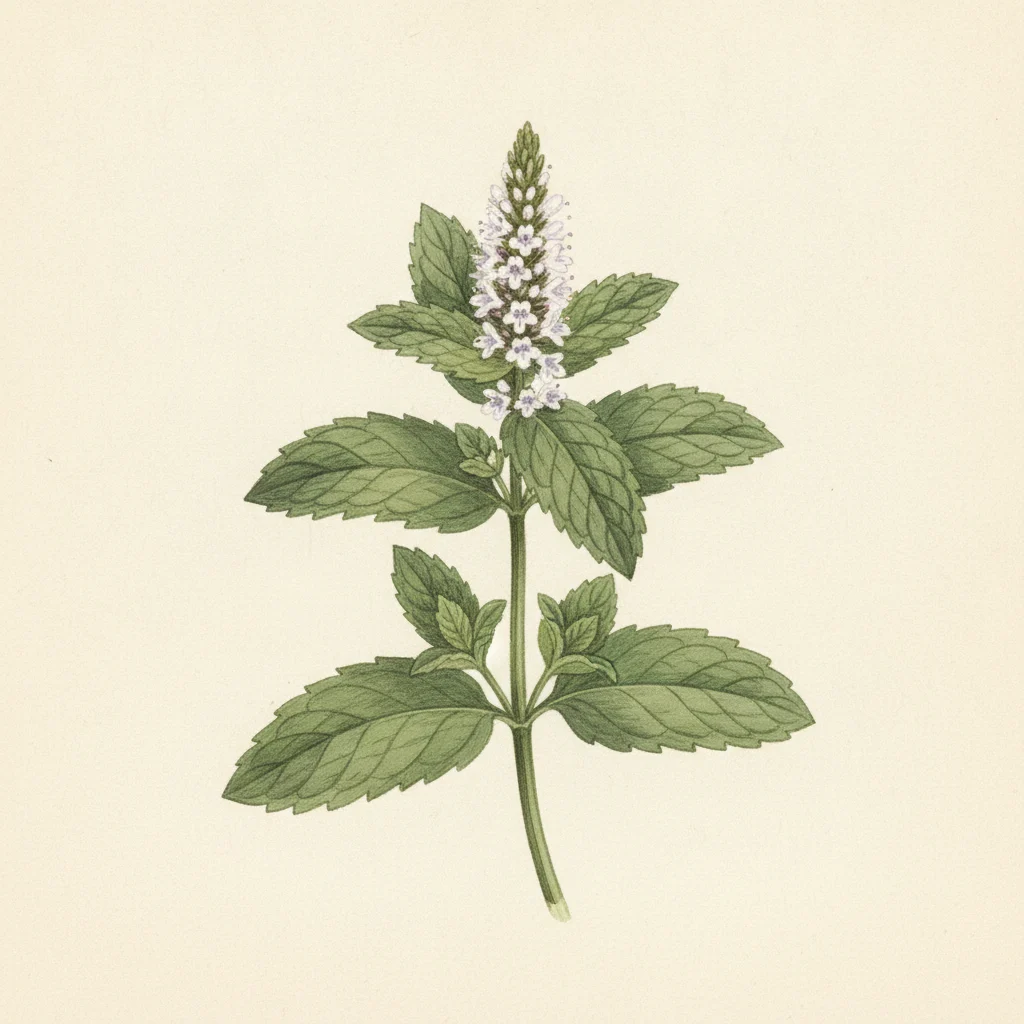
Mint
Cool, sweet, green, menthol
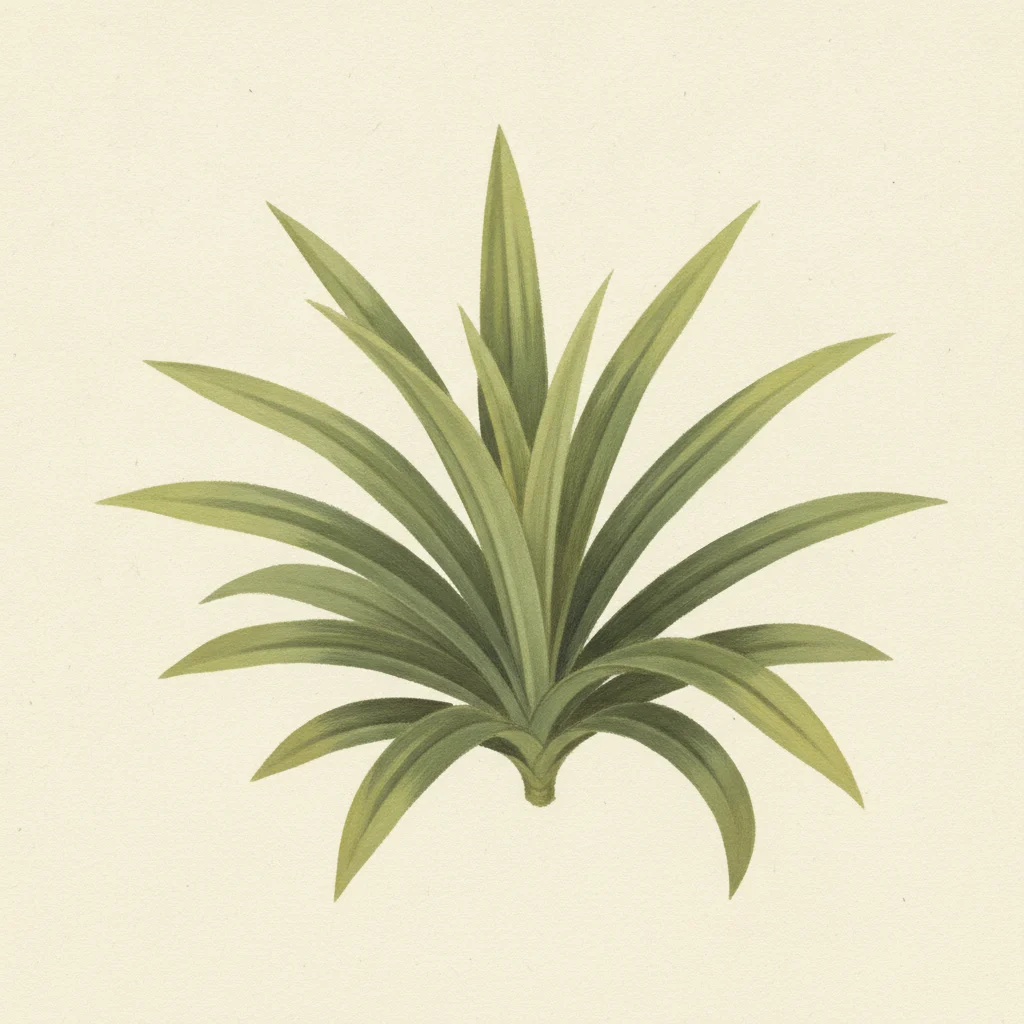
Pandan
Grassy, vanilla, nutty, floral
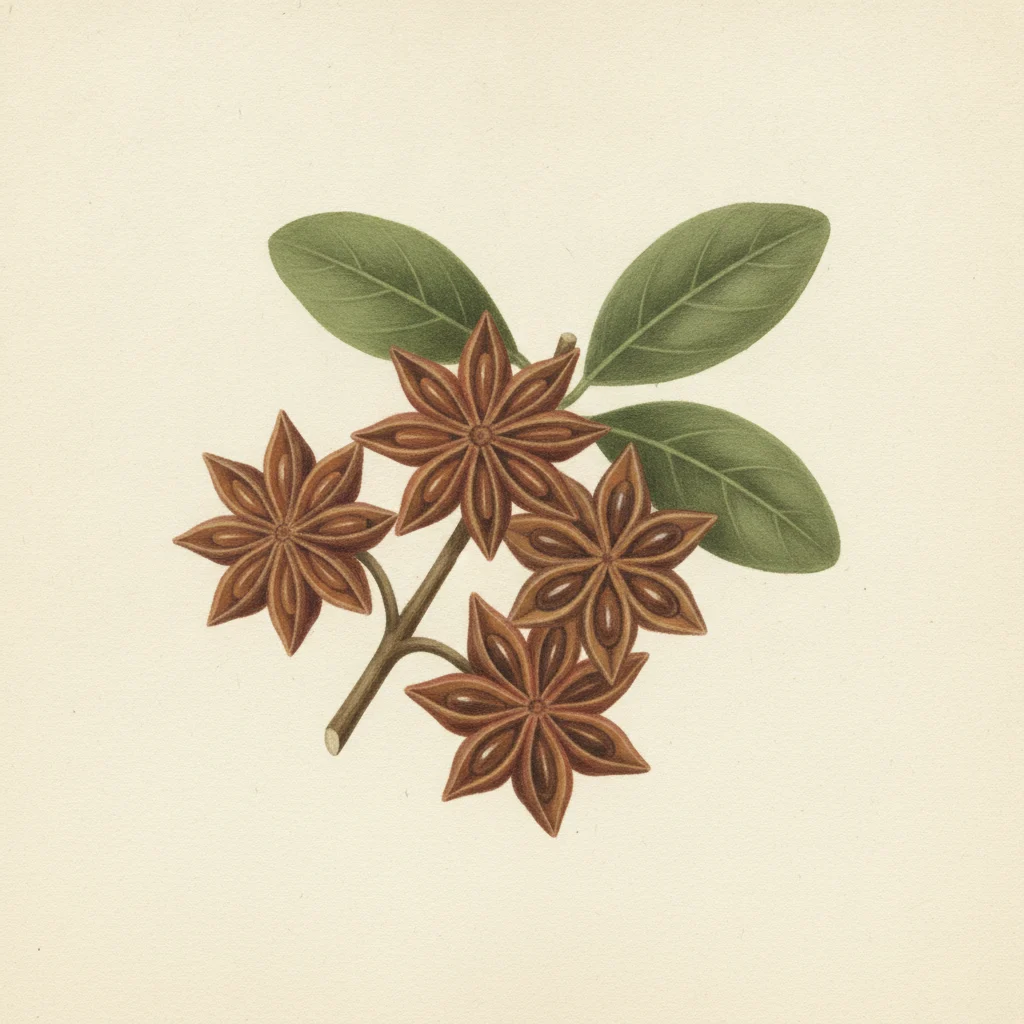
Star anise
Sweet, warm, strong licorice
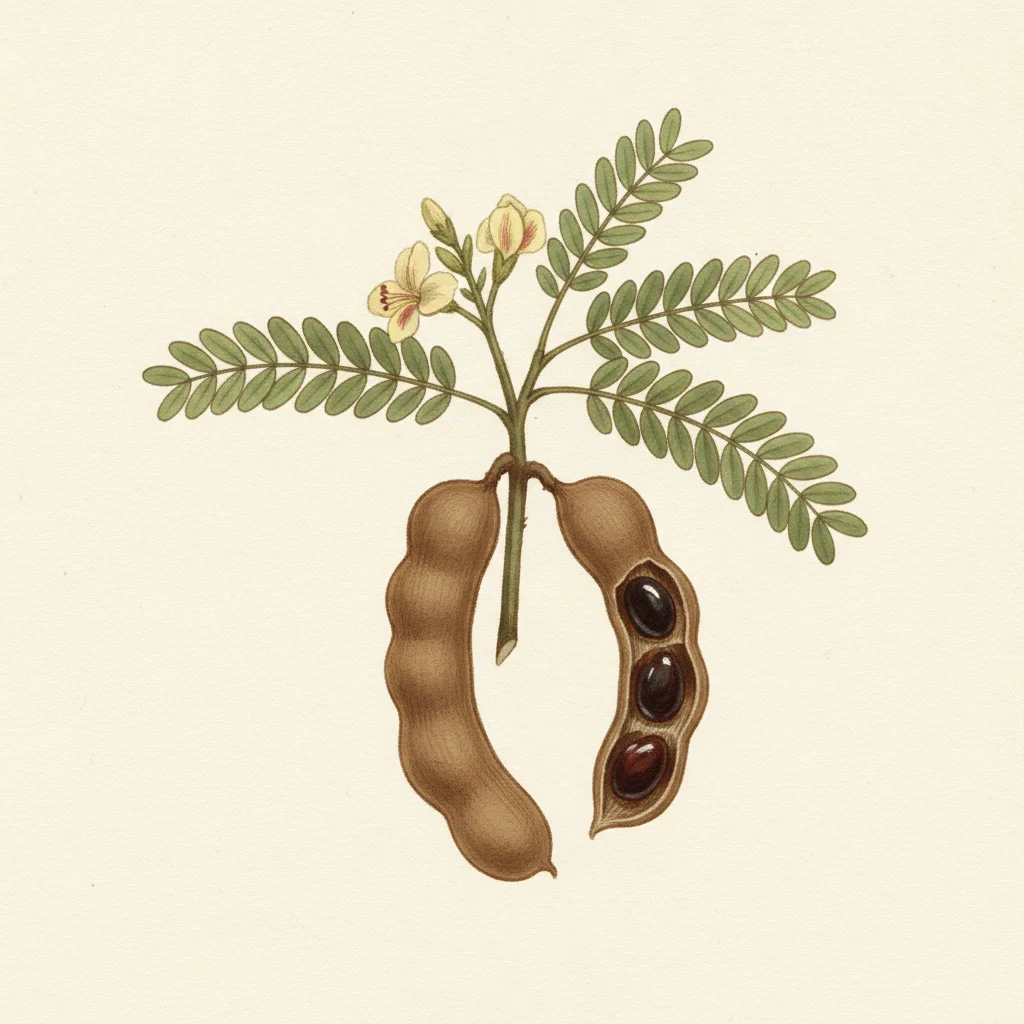
Tamarind
Sour, fruity, date-like, tangy
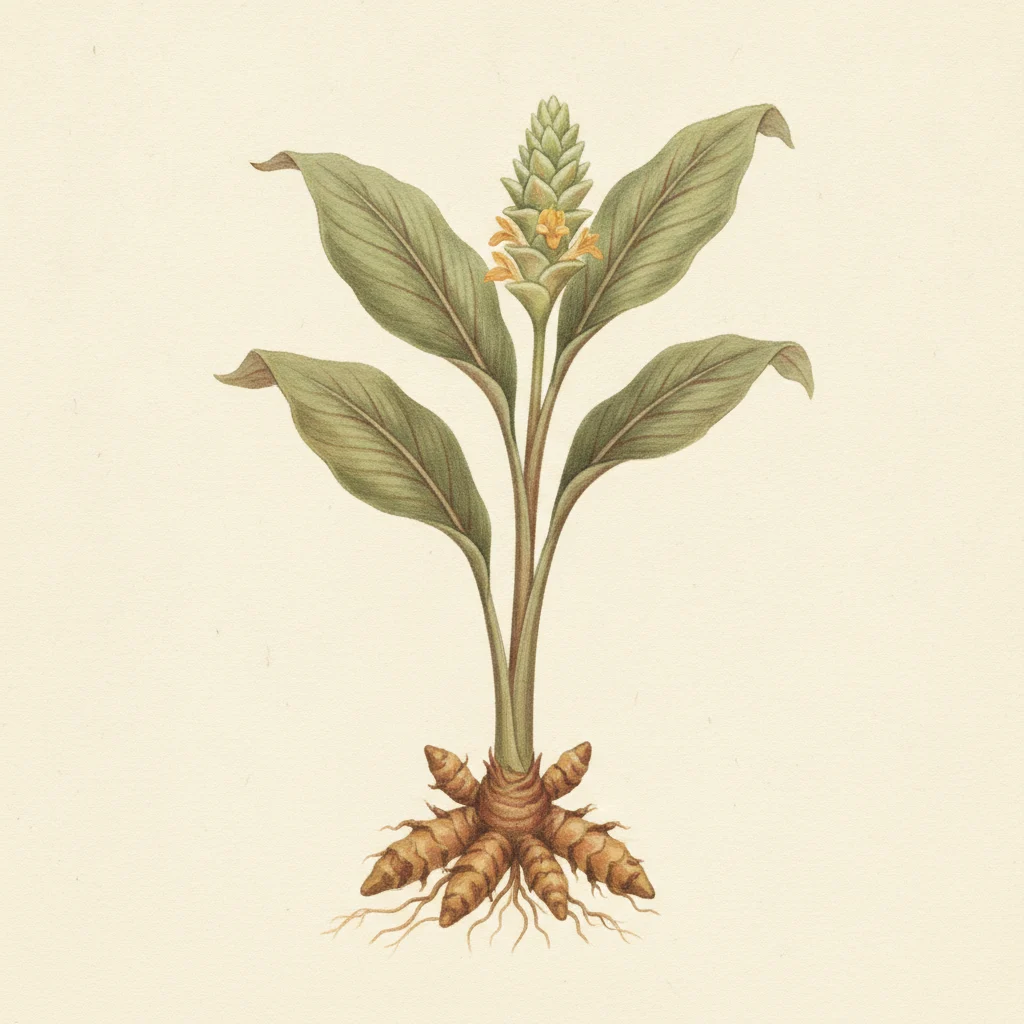
Turmeric
Earthy, bitter, musky, mildly peppery
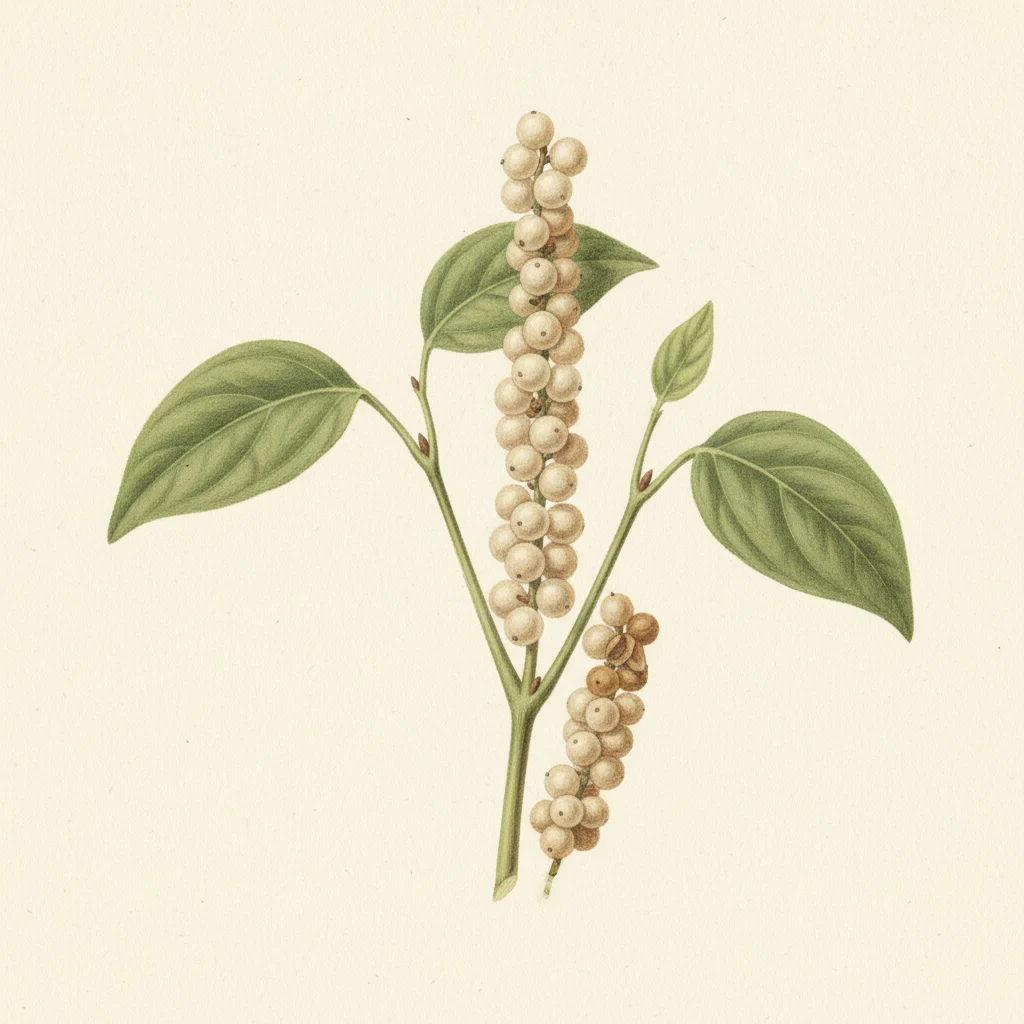
White pepper
Earthy, sharp, fermented, less aromatic
Common questions
- What spices are used in Thai cooking?
- Coriander seed, Pandan, Tamarind, Lemongrass, Makrut lime leaf, and Ginger, among others.
- What flavors define Thai cooking?
- The notes that stand out most are floral, citrusy, and sweet, read from the flavor profiles of the spices listed here.
- What is the strongest spice in Thai cooking?
- Galangal is one of the strongest here: sharp, piney, citrusy, peppery. Add it early and taste as you go.