Cuisine
Spices in Italian cooking
Italian cooking leans on herbal, bitter, and sweet notes: Basil, Fennel seed, Marjoram, Bay leaf, Oregano, and Sage sit at the center, with the wider set on this page rounding out the repertoire. Oregano, basil, fennel, rosemary, and chile, used with a light hand. Cross-links to Pasta Almanac.
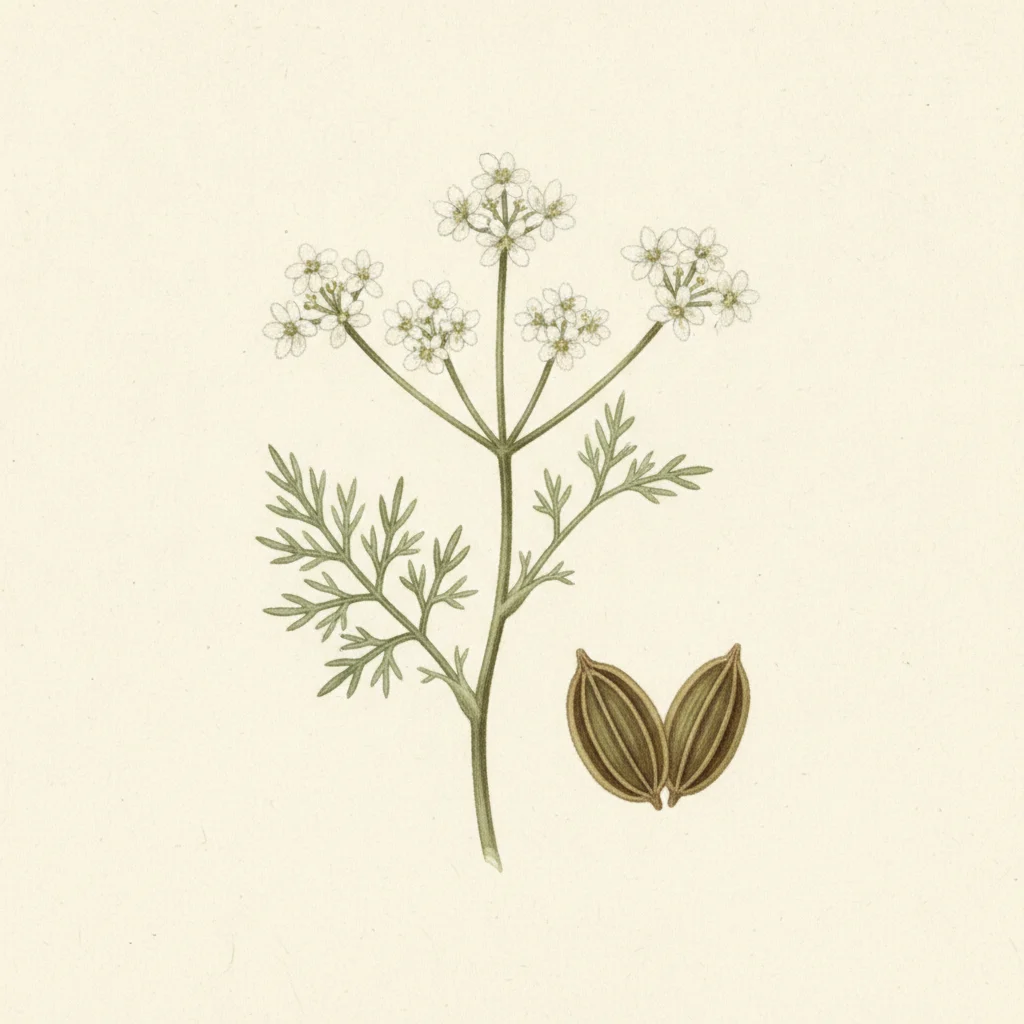
No. 34Spice
Anise
Sweet, strong licorice, warm
sweet
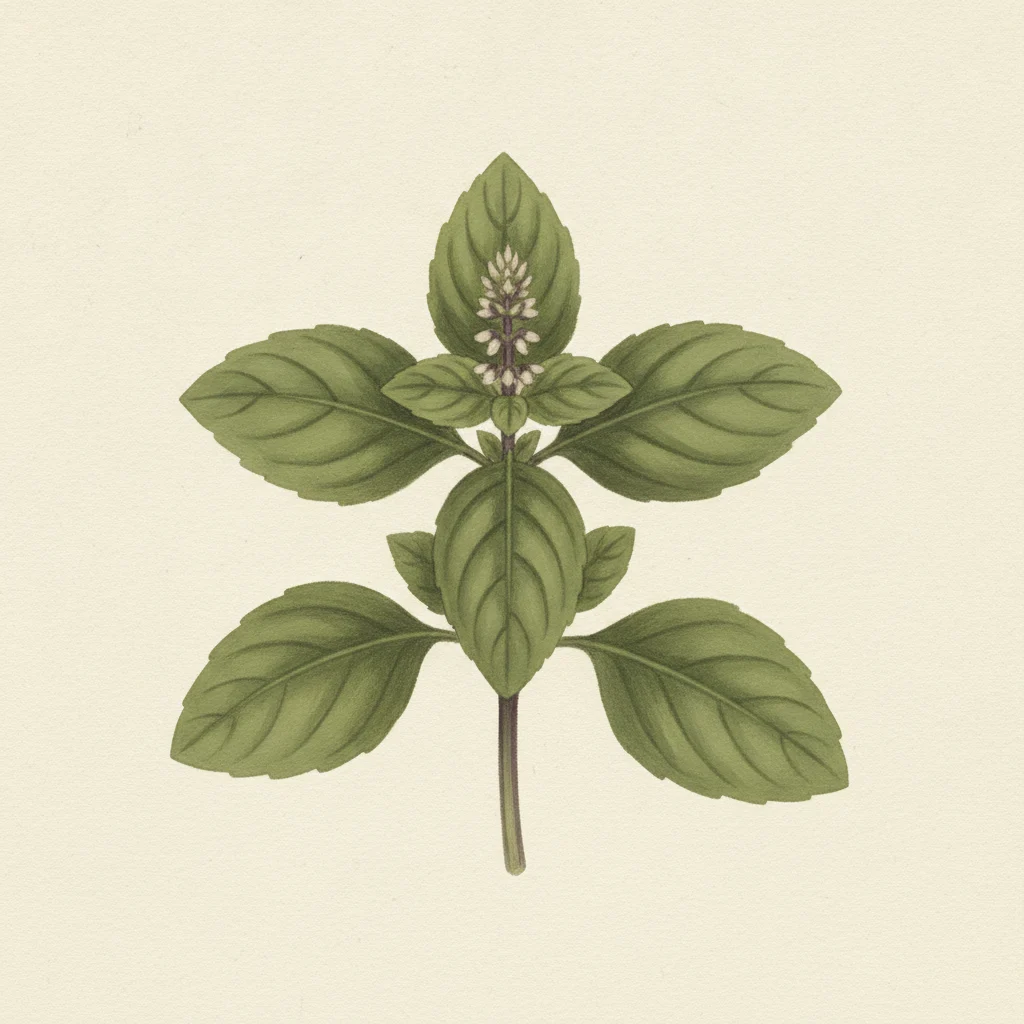
No. 25Herb
Basil
Sweet, peppery, clove and anise
herbal·sweet
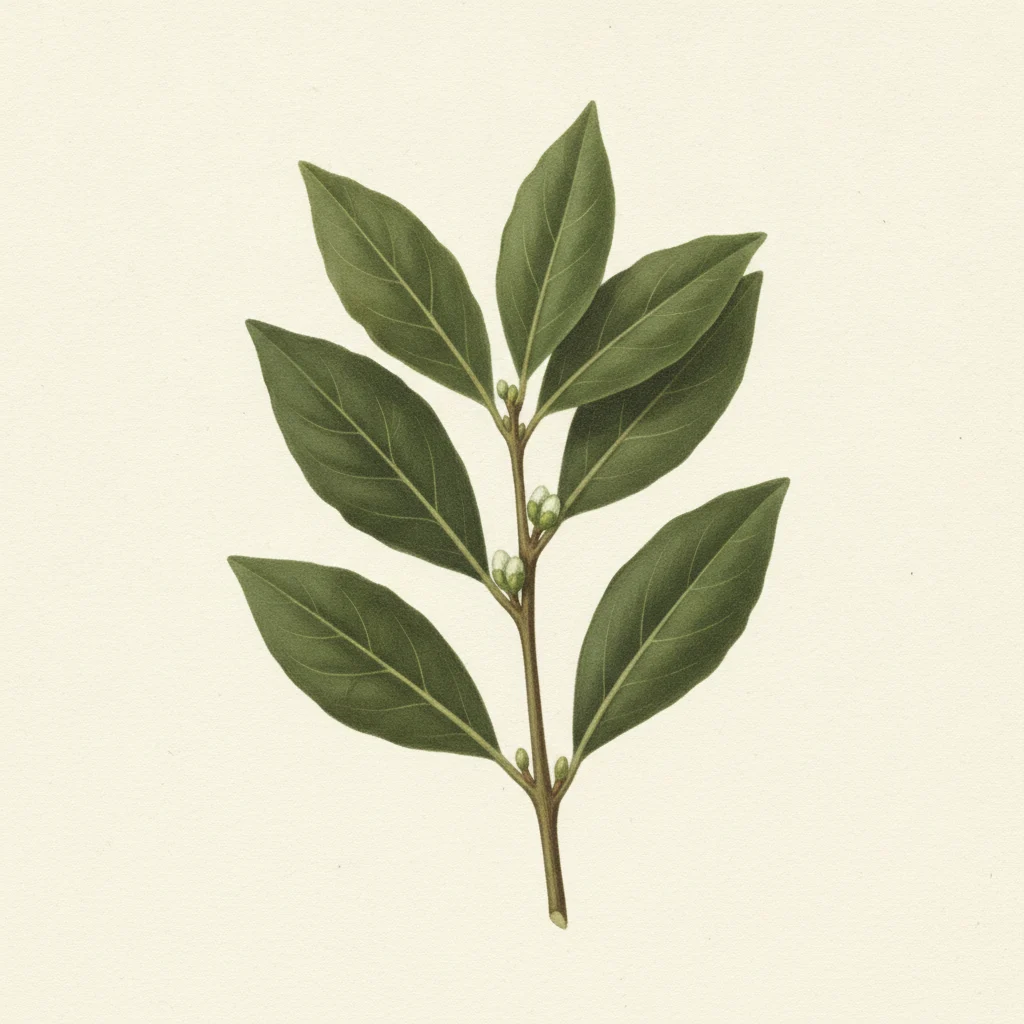
No. 22Herb
Bay leaf
Herbal, piney, faintly tea-like, subtle
herbal·bitter
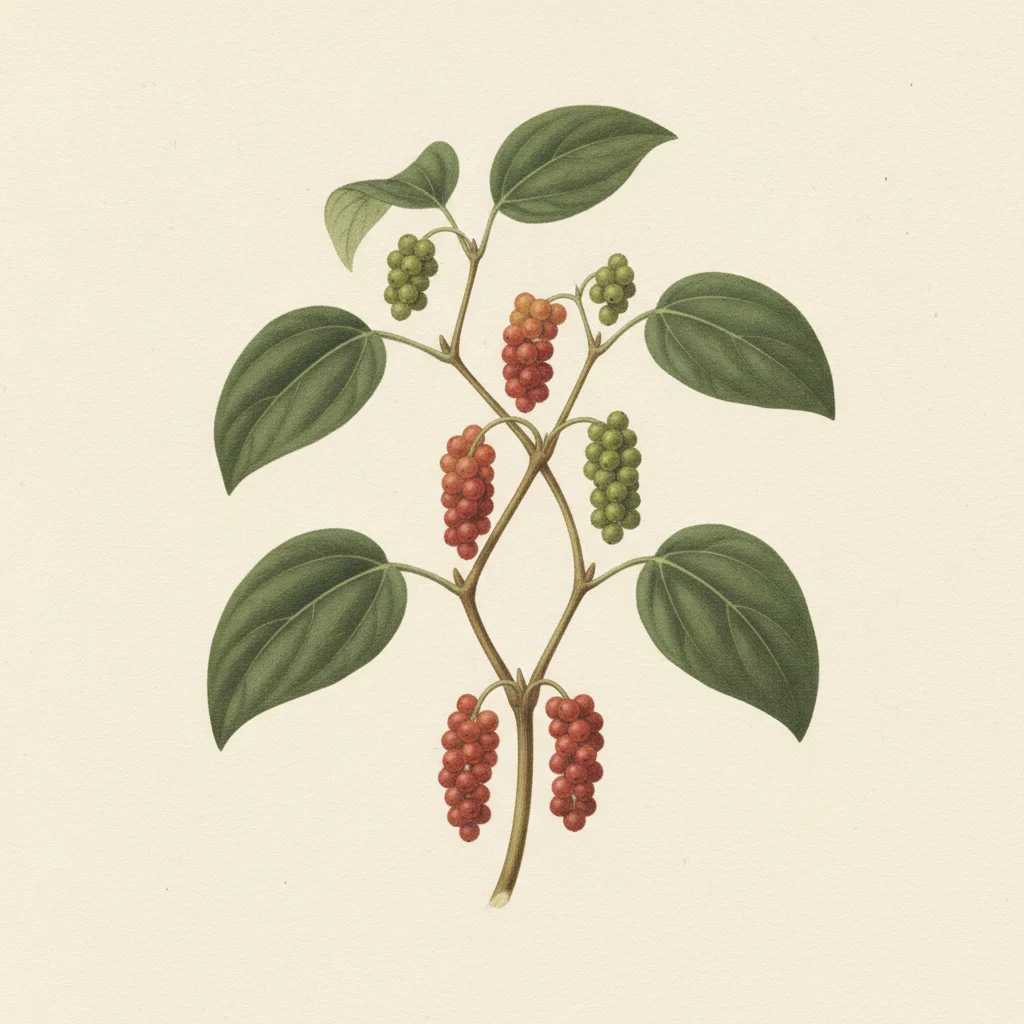
No. 10Spice
Black pepper
Pungent, sharp, woody, warmly biting
pungent·warm
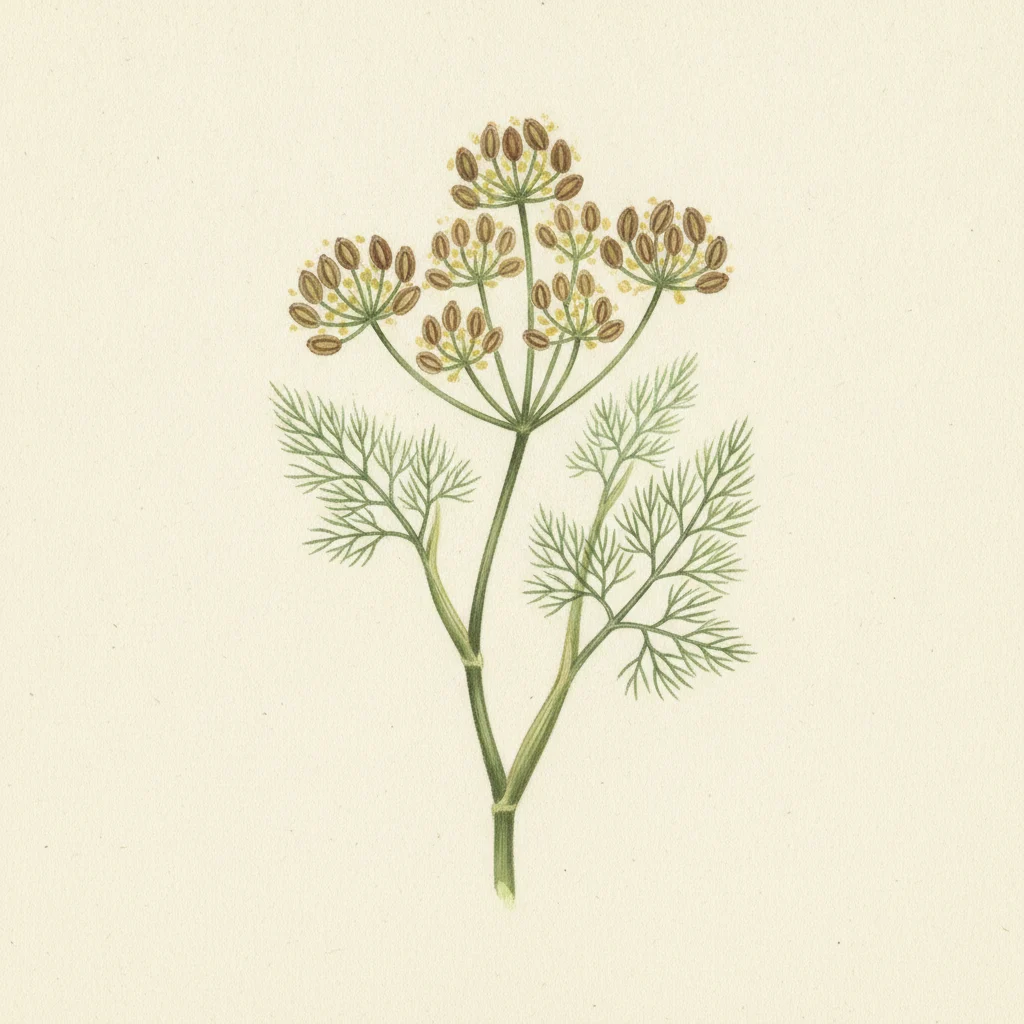
No. 18Spice
Fennel seed
Sweet, warm, gentle licorice
sweet·herbal
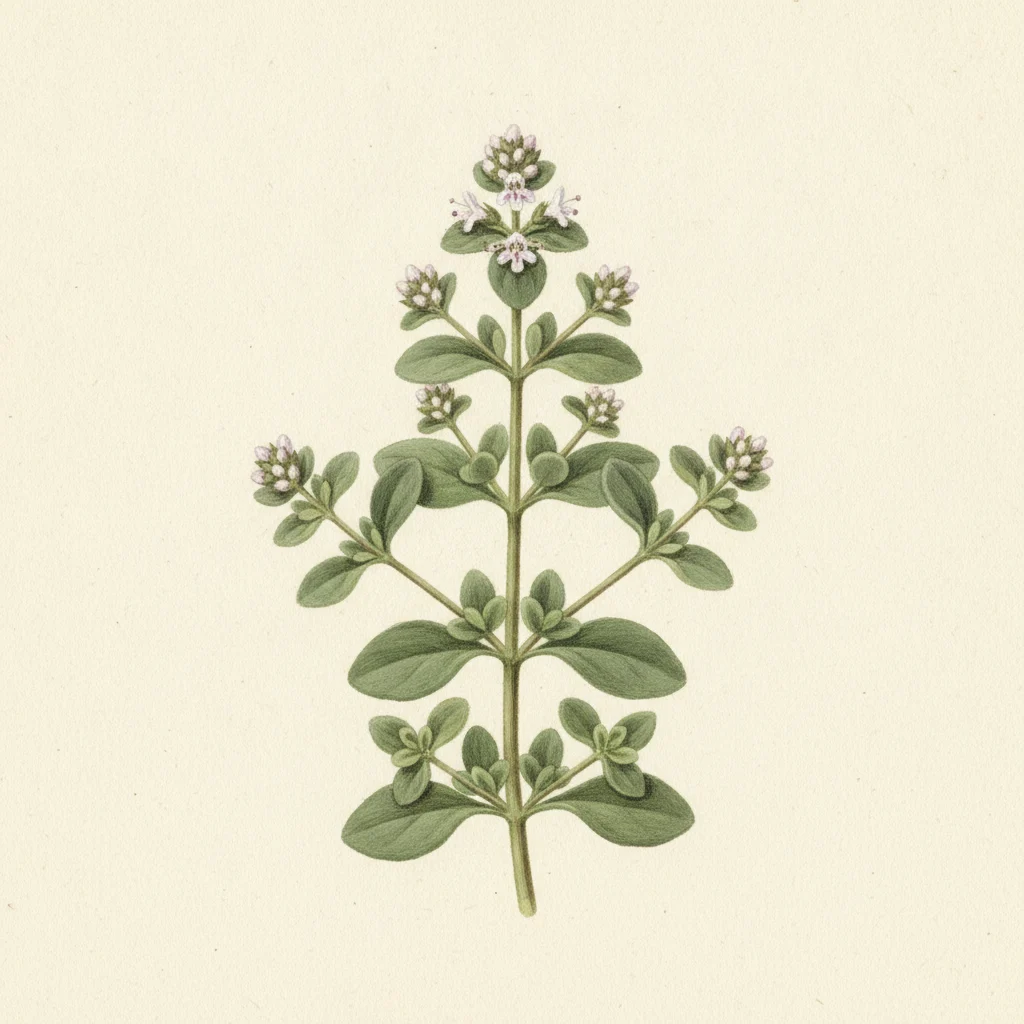
No. 26Herb
Marjoram
Sweet, mild, floral, gently warm
herbal·sweet
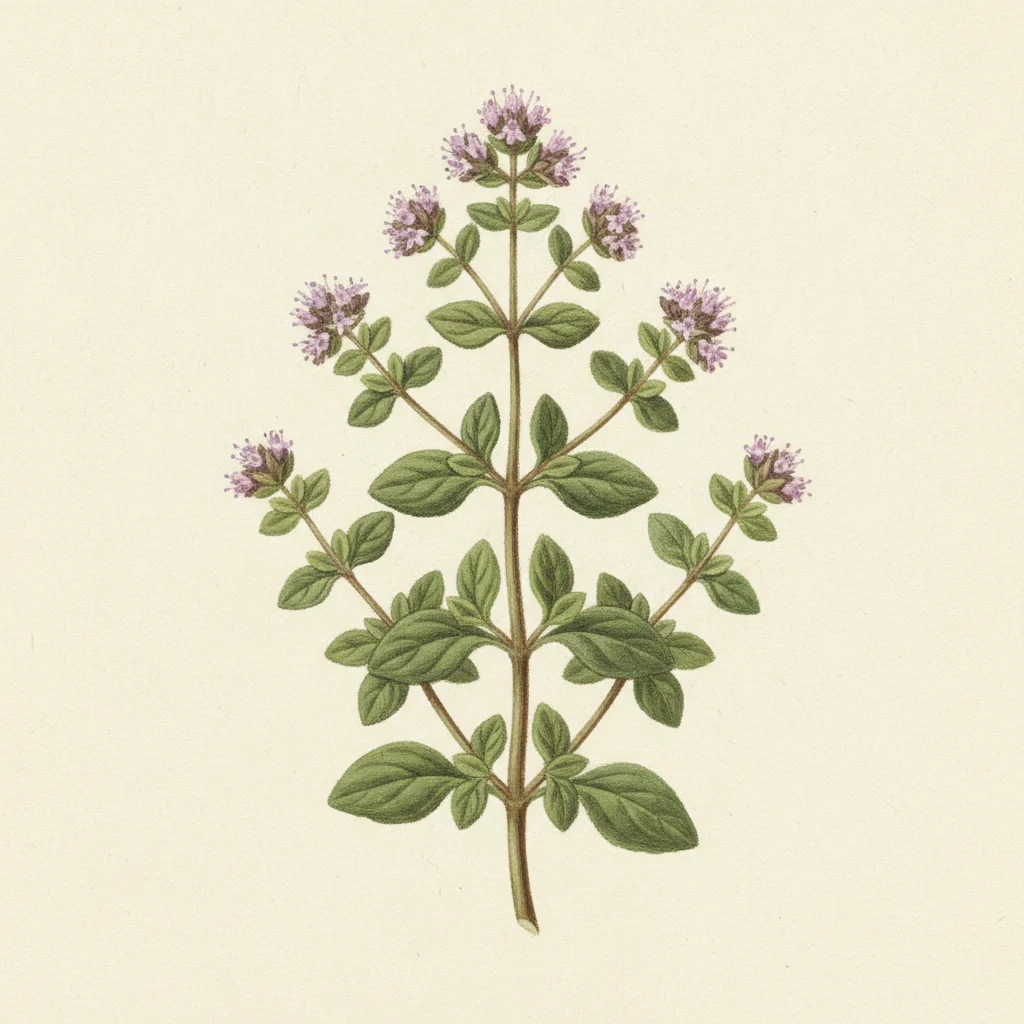
No. 11Herb
Oregano
Herbal, peppery, slightly bitter, aromatic
herbal·bitter
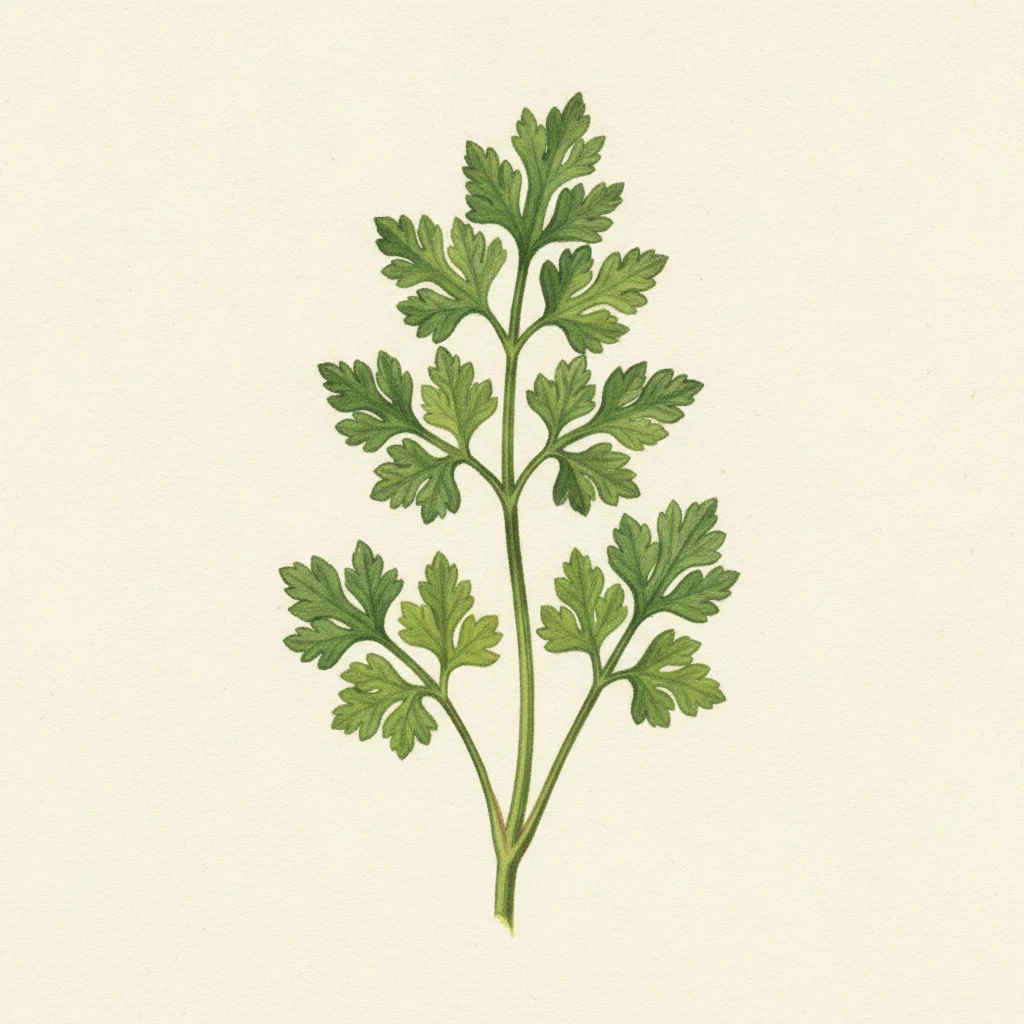
No. 27Herb
Parsley
Fresh, grassy, clean, lightly peppery
herbal
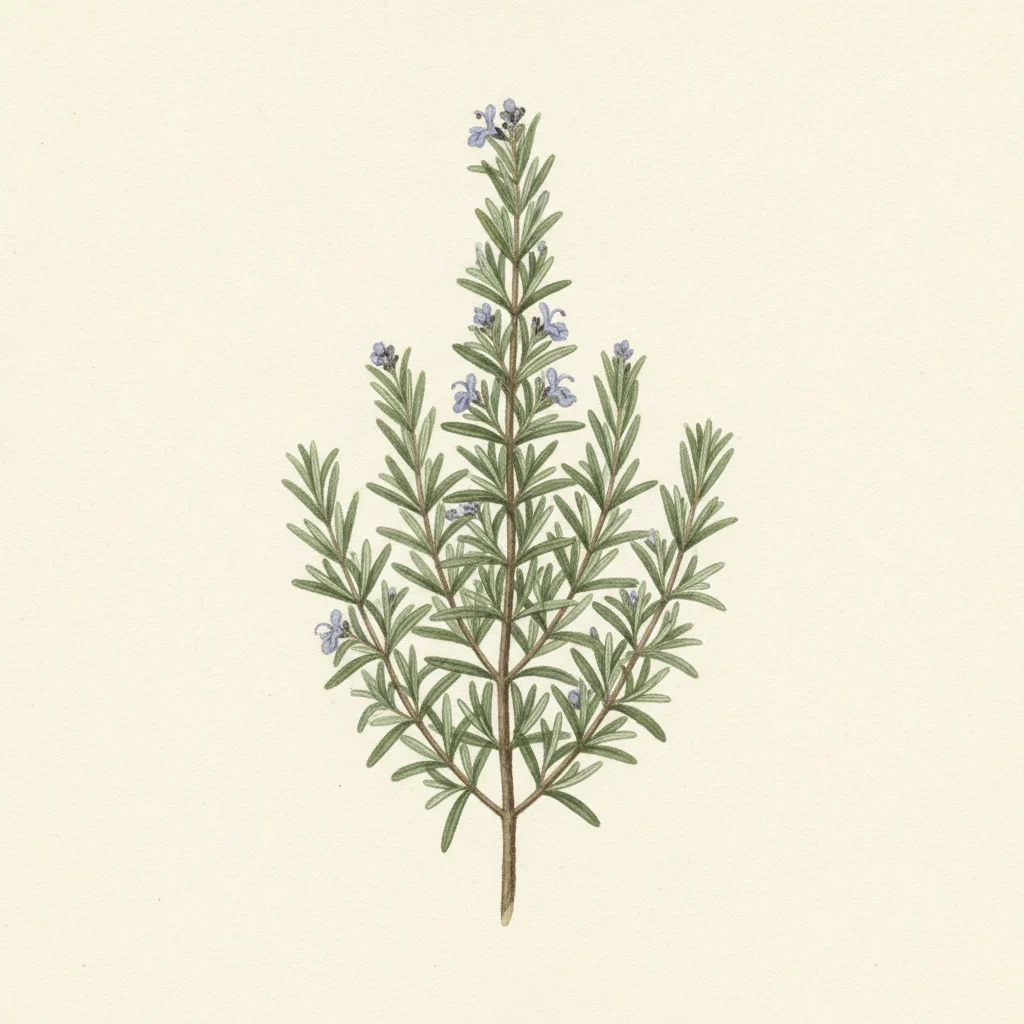
No. 24Herb
Rosemary
Piney, resinous, warm, lemony
herbal
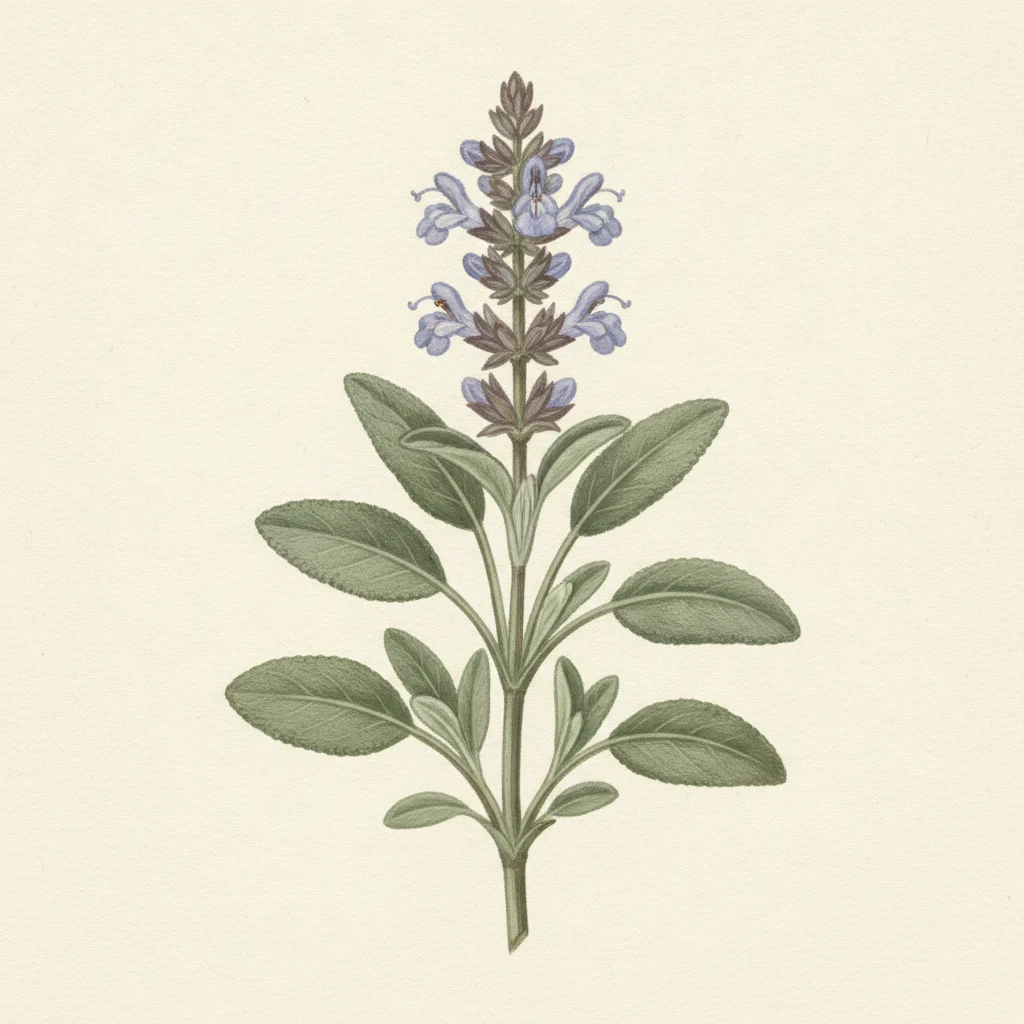
No. 36Herb
Sage
Savory, earthy, piney, slightly musty
herbal·bitter
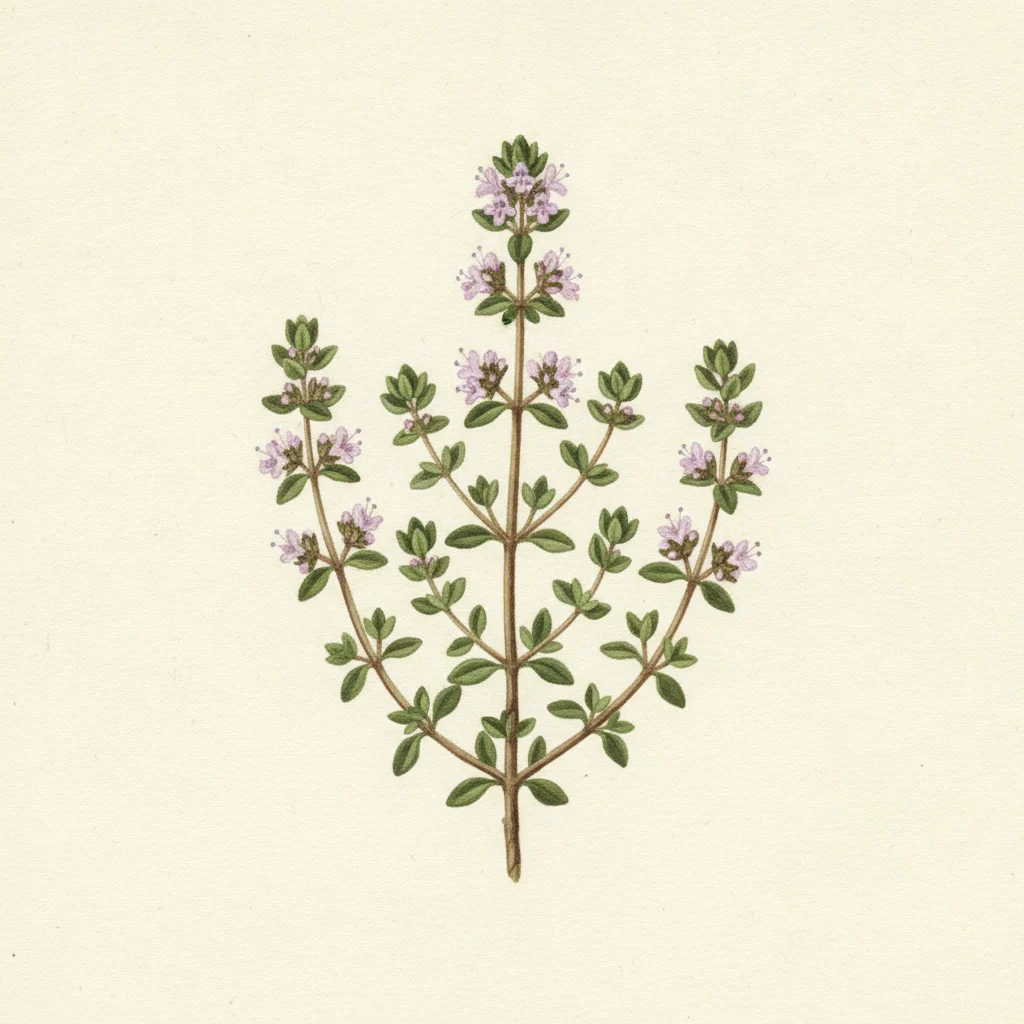
No. 23Herb
Thyme
Herbal, savory, minty, peppery
herbal
Common questions
- What spices are used in Italian cooking?
- Basil, Fennel seed, Marjoram, Bay leaf, Oregano, and Sage, among others.
- What flavors define Italian cooking?
- The notes that stand out most are herbal, bitter, and sweet, read from the flavor profiles of the spices listed here.
- What is the strongest spice in Italian cooking?
- Rosemary is one of the strongest here: piney, resinous, warm, lemony. Add it early and taste as you go.
- What is a mild spice for Italian cooking?
- Marjoram sits at the gentle end: sweet, mild, floral, gently warm. It seasons without taking over.