Cuisine
Spices in Chinese cooking
Chinese cooking leans on warm, pungent, and sweet notes: Cassia, Clove, Ginger, Chinese five spice, Star anise, and Sichuan pepper sit at the center, with the wider set on this page rounding out the repertoire. Five spice, star anise, Sichuan pepper's numbing tingle, white pepper, and cassia.
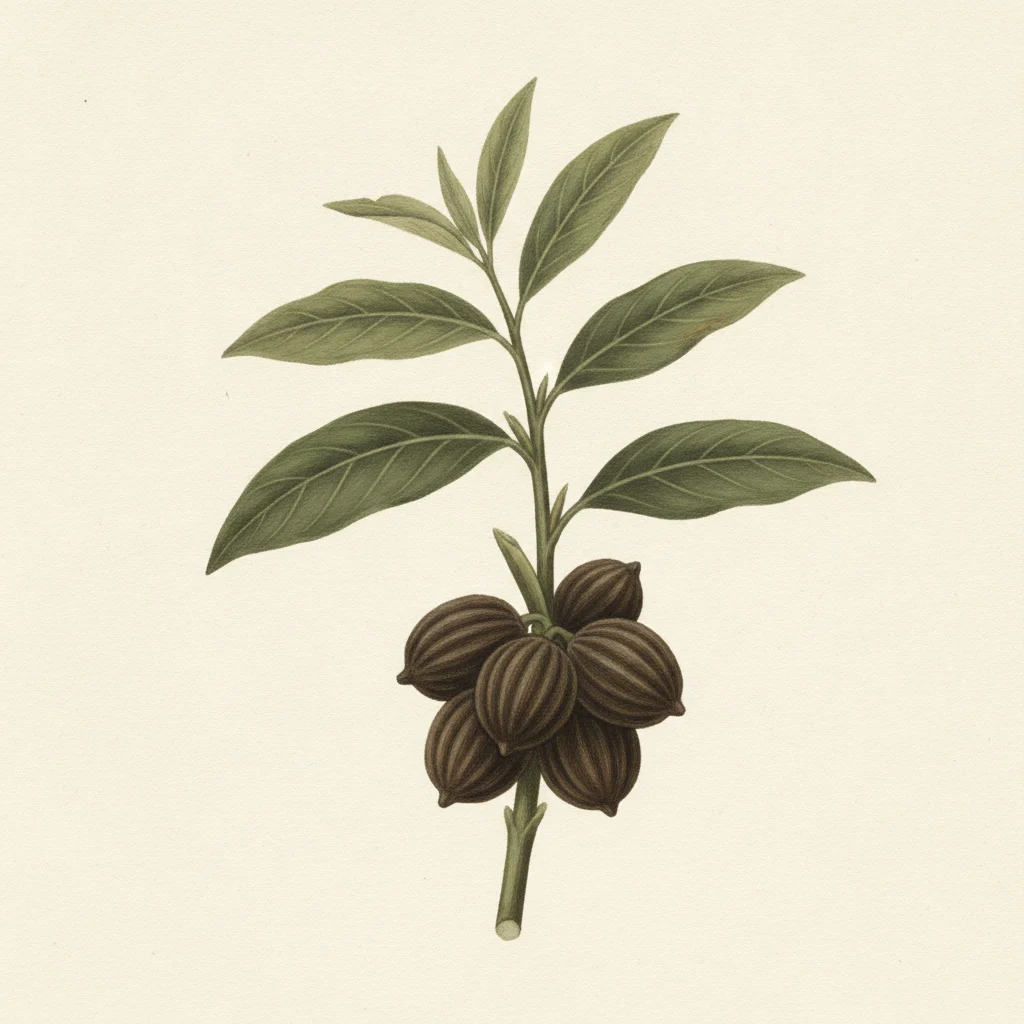
No. 90Spice
Black cardamom
Smoky, resinous, camphor, savory
smoky·warm
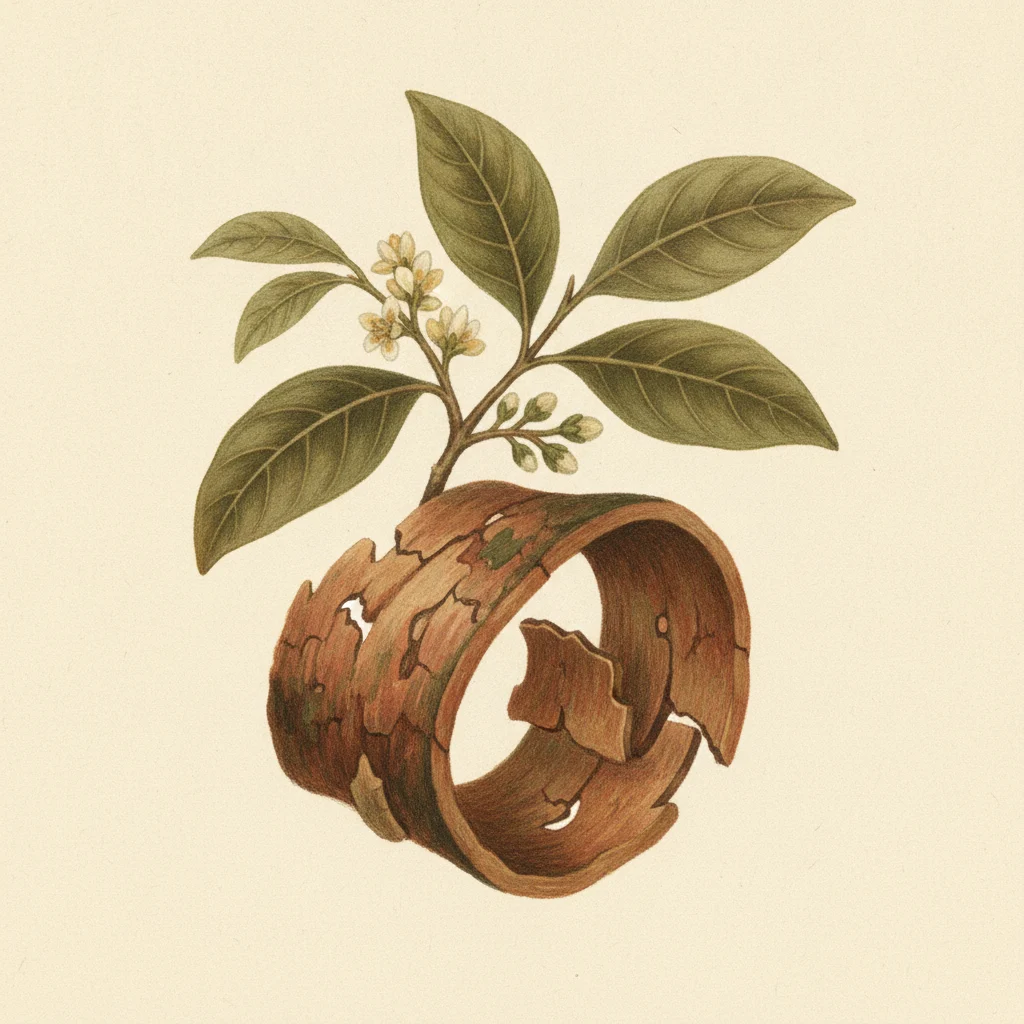
No. 4Spice
Cassia
Warm, hot, sweet, boldly spicy
warm·sweet·pungent
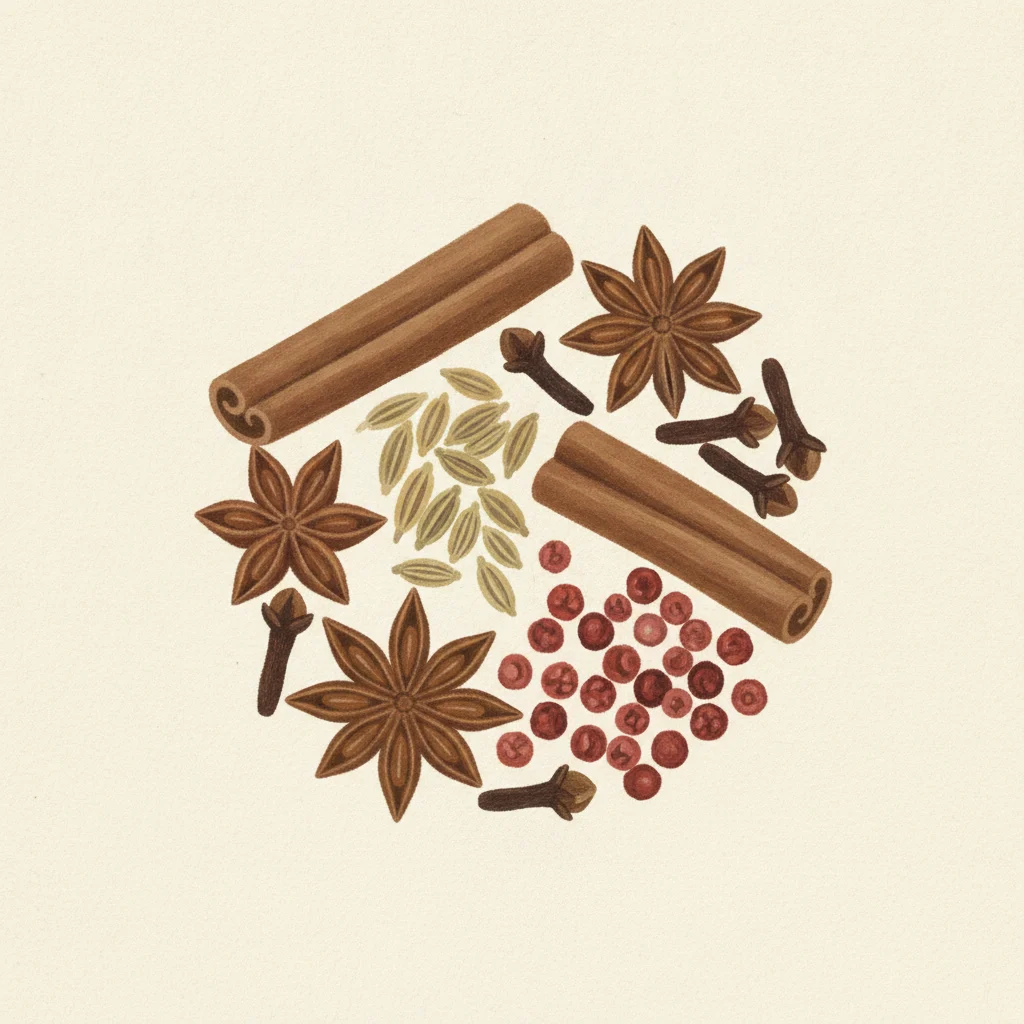
No. 29Blend
Chinese five spice
Warm, sweet, faintly licorice
warm·sweet
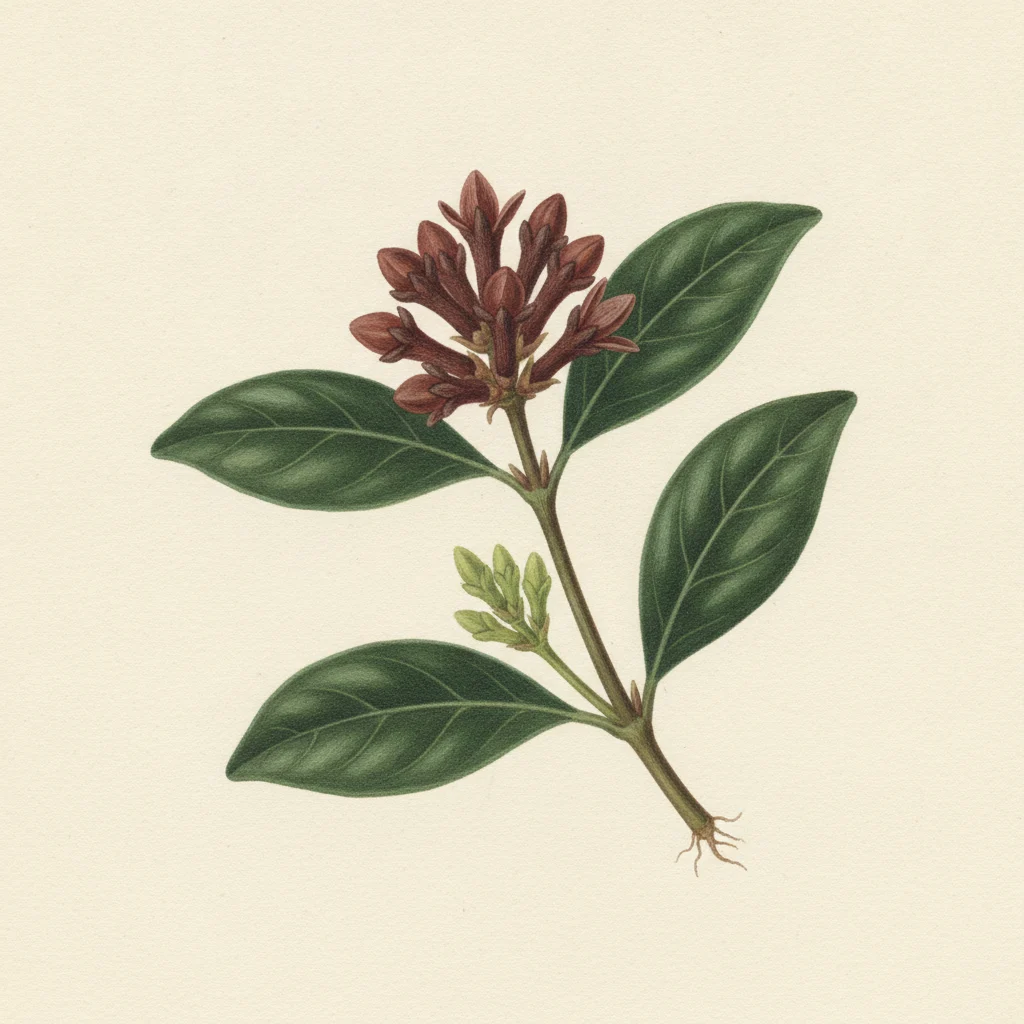
No. 13Spice
Clove
Warm, sweet, pungent, almost numbing
warm·sweet·pungent
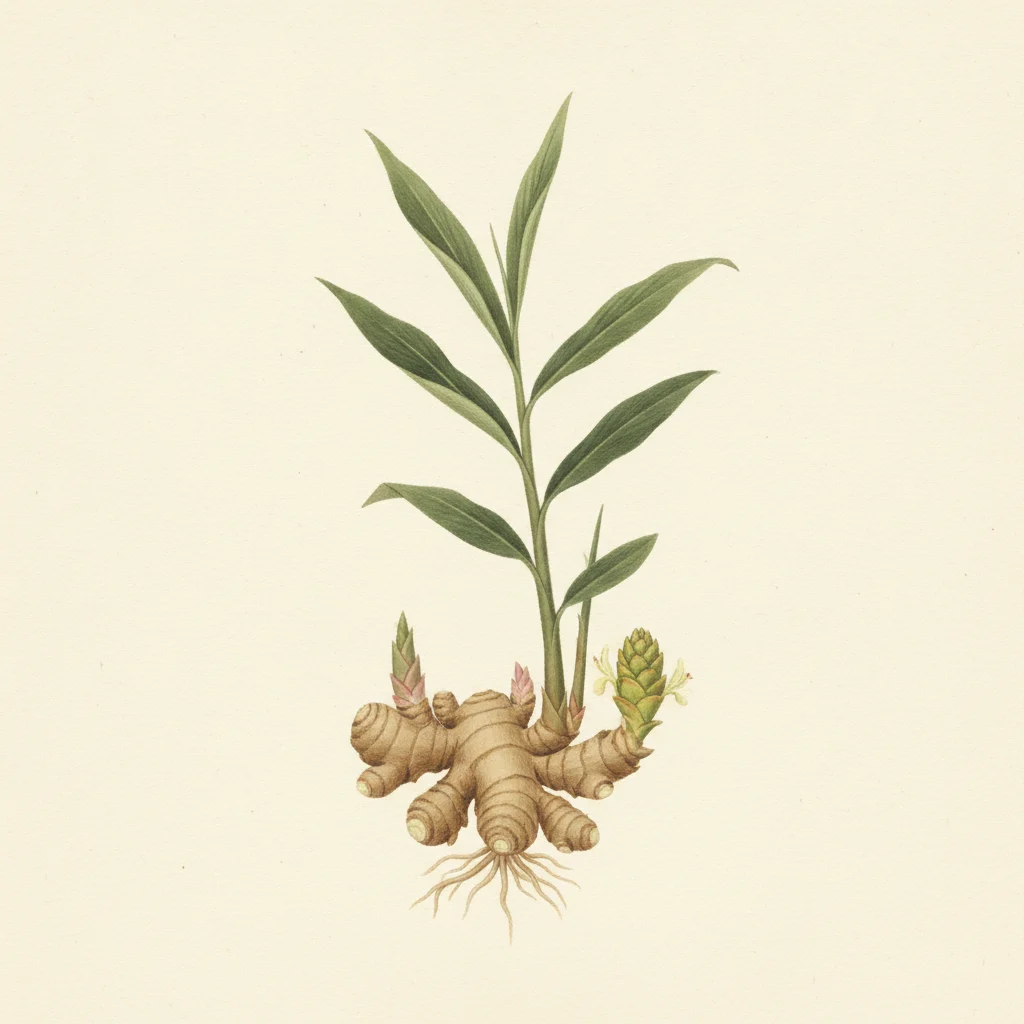
No. 20Spice
Ginger
Pungent, warm, bright, citrusy
pungent·warm·citrusy
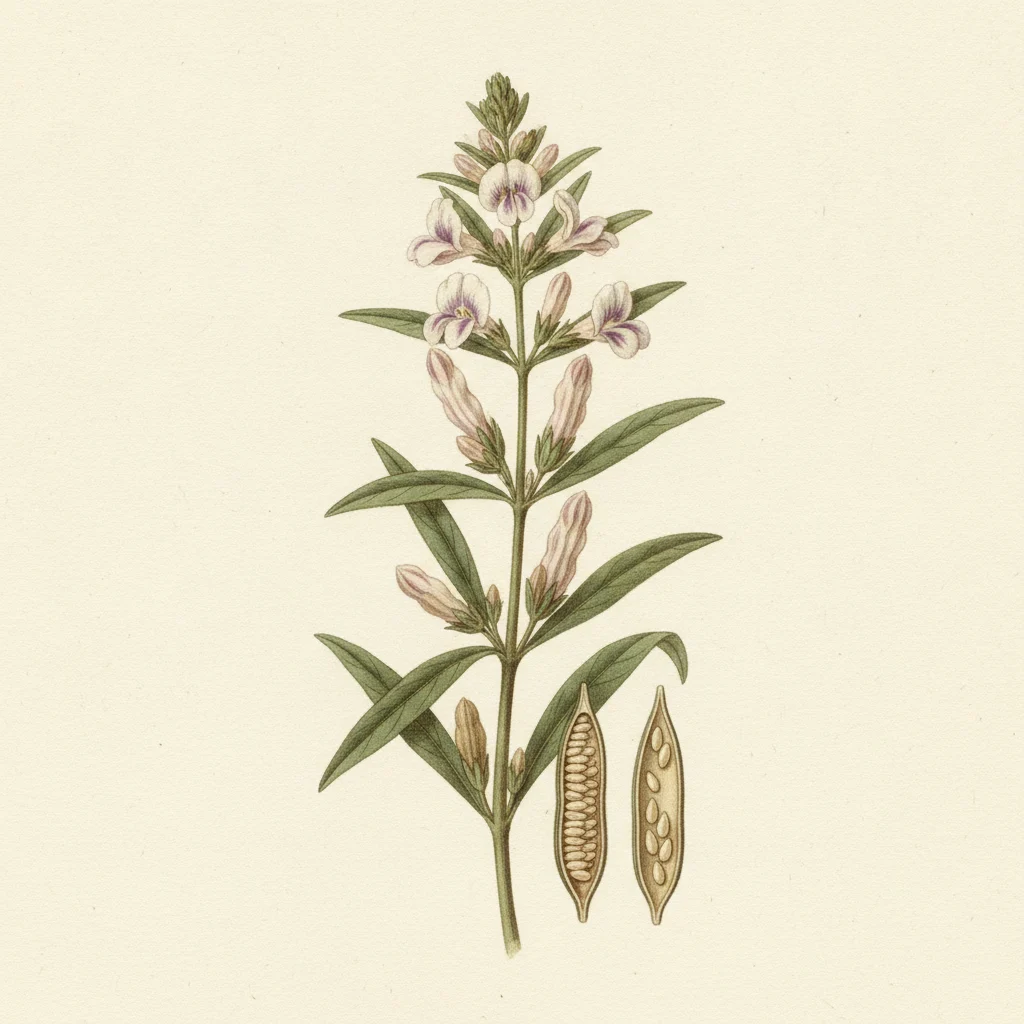
No. 58Spice
Sesame
Nutty, toasty, mild, oil-rich
nutty
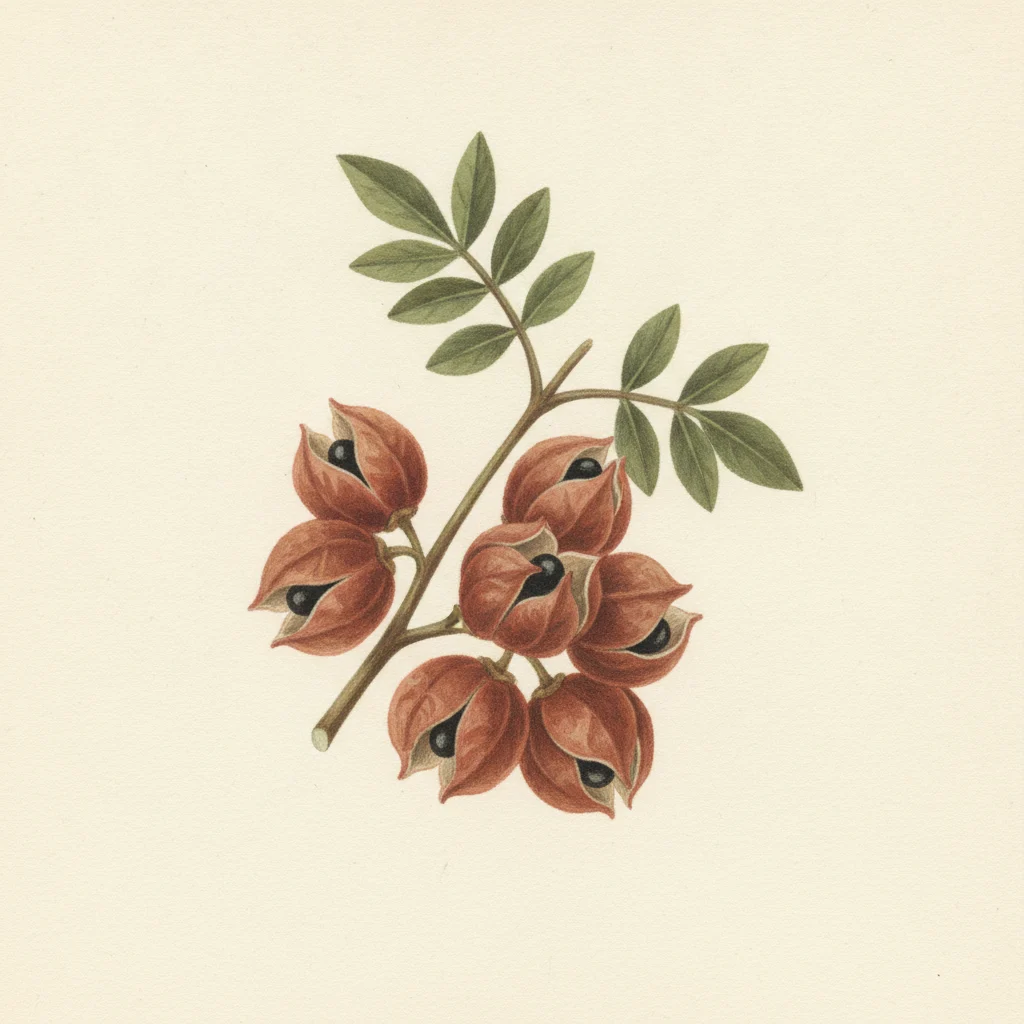
No. 44Spice
Sichuan pepper
Citrusy, woody, tongue-tingling, numbing
citrusy·pungent
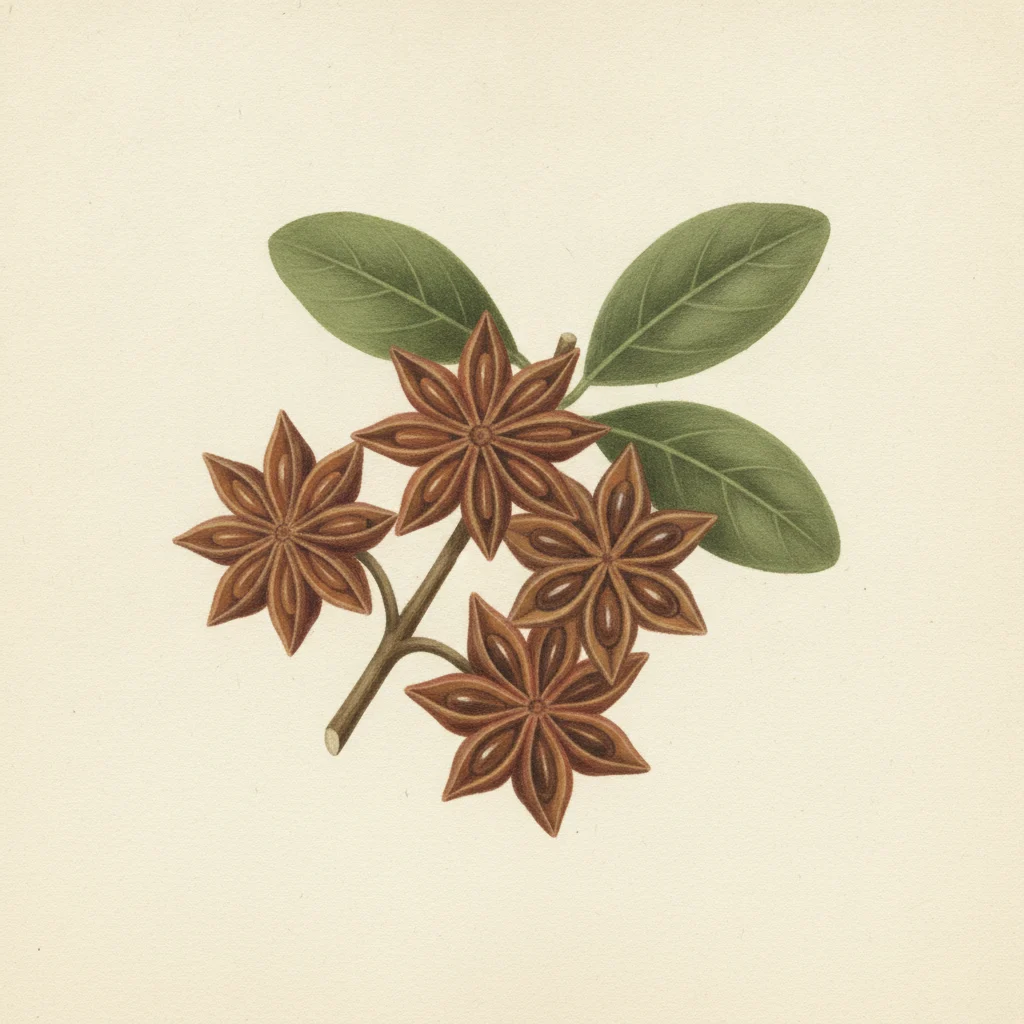
No. 17Spice
Star anise
Sweet, warm, strong licorice
sweet·warm
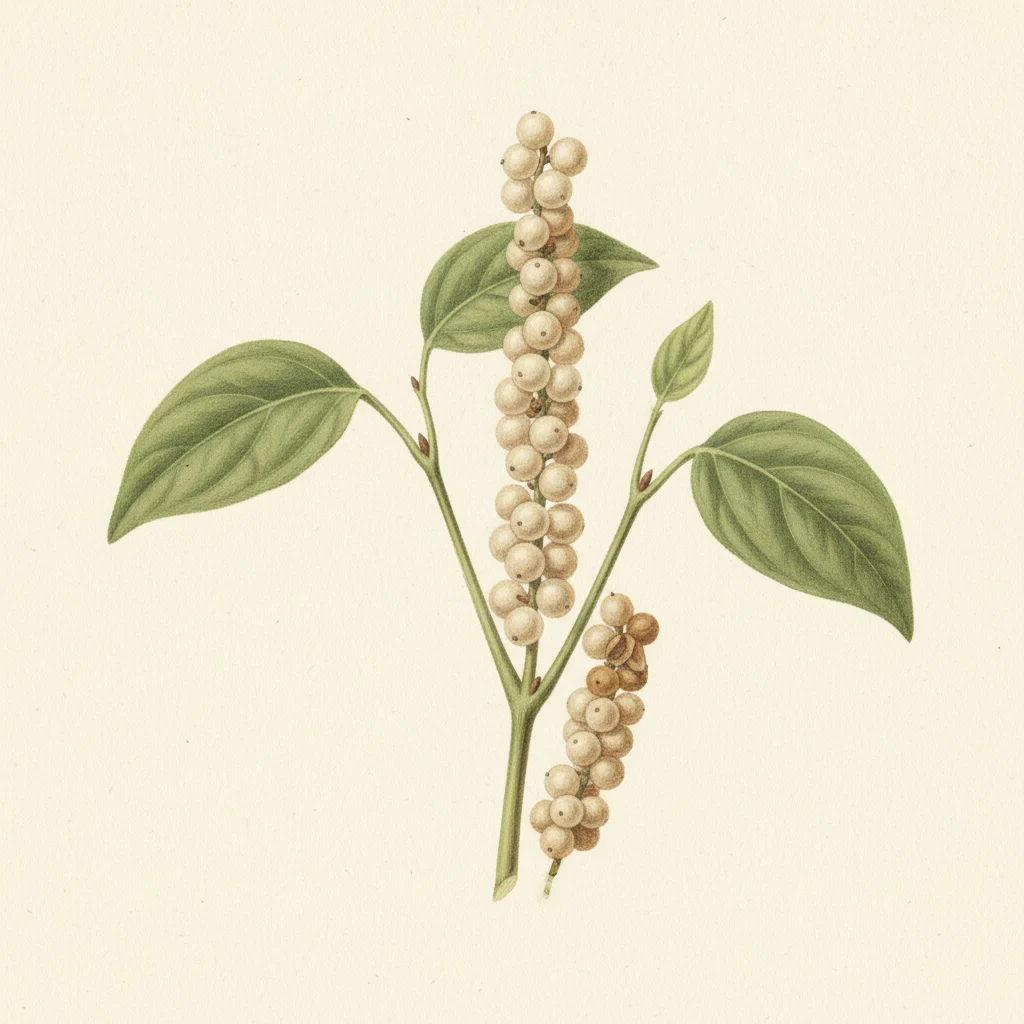
No. 45Spice
White pepper
Earthy, sharp, fermented, less aromatic
pungent
Common questions
- What spices are used in Chinese cooking?
- Cassia, Clove, Ginger, Chinese five spice, Star anise, and Sichuan pepper, among others.
- What flavors define Chinese cooking?
- The notes that stand out most are warm, pungent, and sweet, read from the flavor profiles of the spices listed here.
- What is the strongest spice in Chinese cooking?
- Black cardamom is one of the strongest here: smoky, resinous, camphor, savory. Add it early and taste as you go.
- What is a mild spice for Chinese cooking?
- Sesame sits at the gentle end: nutty, toasty, mild, oil-rich. It seasons without taking over.