Sichuan pepper vs black pepper
They share the word pepper, but only one is true pepper. Black pepper bites; Sichuan pepper tingles and numbs, a different sensation altogether.
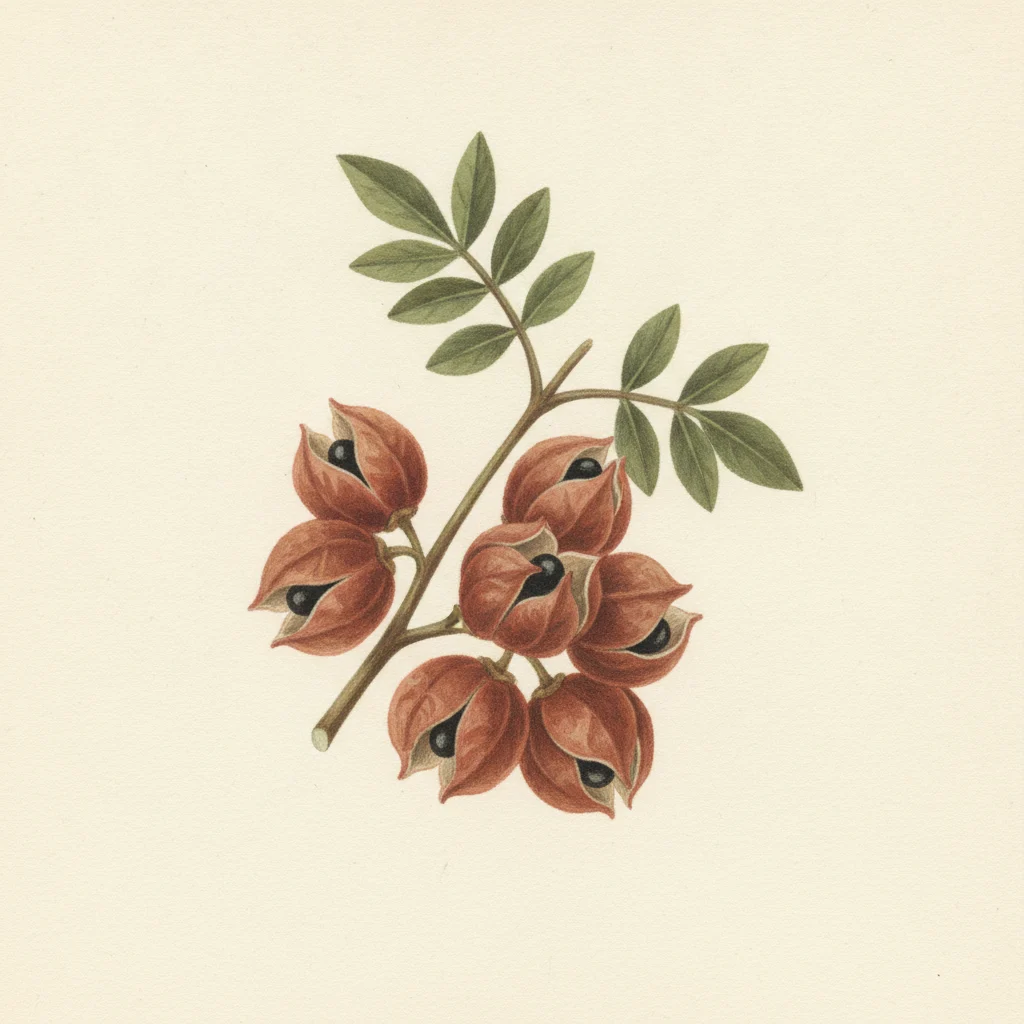
Sichuan pepper
Citrusy, woody, tongue-tingling, numbing
Sichuan pepper is the dried husk of berries from the Zanthoxylum shrub, and despite the name it is neither a true pepper nor a chile. Its signature is not heat but a citrusy, woody aroma and a distinct tingling, numbing buzz on the lips and tongue from a compound called hydroxy-alpha-sanshool. Paired with chiles, it produces the famous numbing-and-hot mala flavor of Sichuan cooking, in mapo tofu, dan dan noodles, and dry-fried dishes. Only the fragrant husks are used; the bitter inner seeds are thrown away. Toasting and grinding fresh keeps the tingle alive.
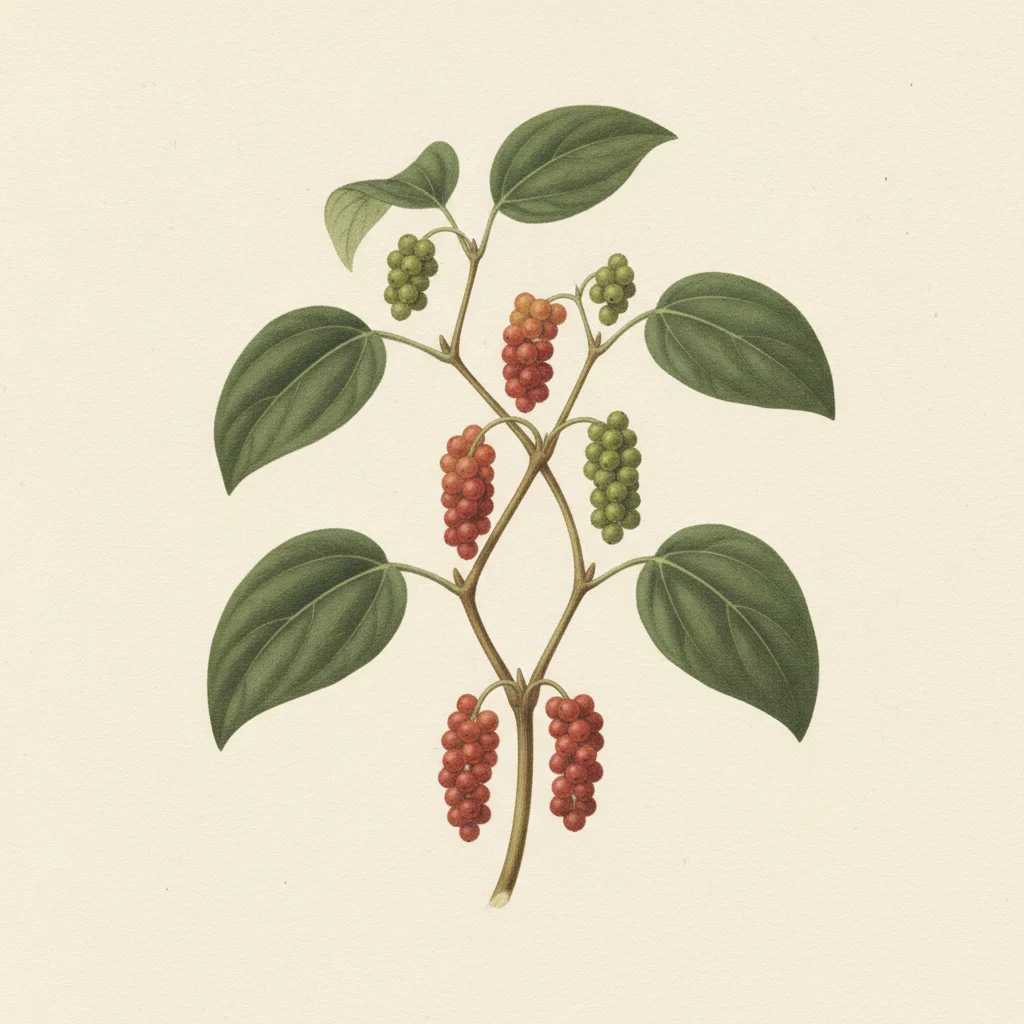
Black pepper
Pungent, sharp, woody, warmly biting
Black pepper is the dried unripe fruit of Piper nigrum, a tropical vine native to the Malabar Coast of southern India, and the most traded spice in the world. The berries are picked green and dried until they wrinkle and blacken into peppercorns. The flavor is pungent and sharp with a woody warmth, and its heat comes from a compound called piperine rather than the capsaicin of chiles. White, green, and black peppercorns all come from the same plant, picked and processed at different stages. For centuries pepper was valuable enough to be used as money and to drive long trade routes.
Which to use when
Use black pepper for clean, sharp heat and woody aroma, the everyday seasoning for almost anything savory. Use Sichuan pepper when you want its citrusy, buzzing, lip-numbing effect, the cooling half of Sichuan mala, in stir-fries and chile-oil dishes. They are not interchangeable: black pepper adds bite, Sichuan pepper adds a tingling numbness no other spice gives.
Common questions
- Is Sichuan pepper the same as black pepper?
- No. Black pepper is the fruit of Piper nigrum and tastes hot and sharp. Sichuan pepper is the dried husk of a different plant and produces a tingling, numbing buzz rather than heat.
- Does Sichuan pepper taste hot?
- Not in the burning sense. It is citrusy and woody, and its signature is a fizzing, numbing sensation on the lips and tongue, the cooling counterpart to chile heat in mala cooking.
- Can I substitute black pepper for Sichuan pepper?
- It gives bite but misses the point, since black pepper cannot reproduce the numbing tingle. A little black pepper with lemon zest gets closer to the citrus side, but not the buzz.
Where to buy
- The Mala Market
A mother-daughter shop importing Sichuan and other regional Chinese ingredients directly, including several grades of huajiao.
Their own notes: Sourcing Huajiao (Sichuan Pepper)
Merchants we think are worth buying from. We take nothing for these listings.
Stay in the loop
From the Almanac
Updates from Spice Almanac, when there is something worth sharing.