Grains of paradise vs black pepper
Grains of paradise were the medieval cook's alternative to black pepper, and the two still play similar roles, a warm, peppery bite. But grains of paradise carry citrus and floral notes that plain pepper does not.
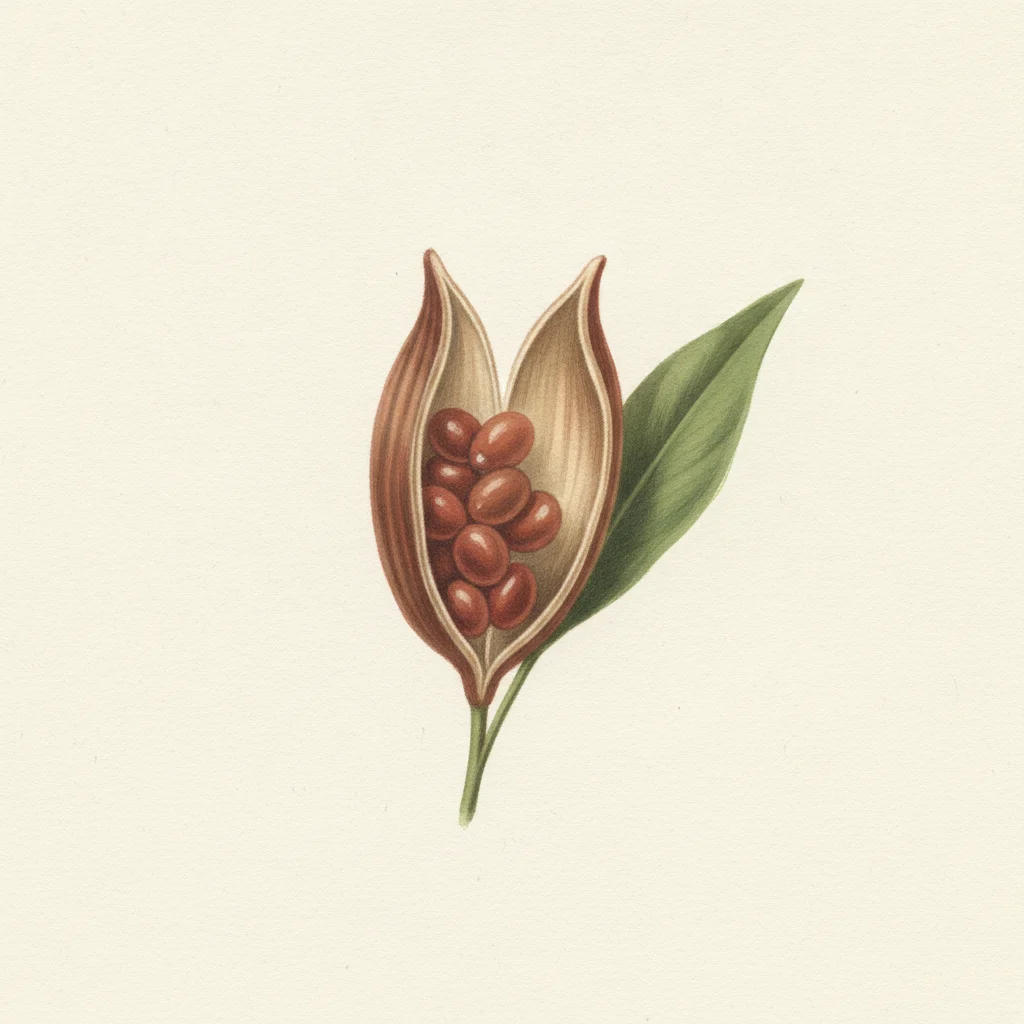
Grains of paradise
Peppery, warm, citrusy, faintly floral
Grains of paradise are the seeds of Aframomum melegueta, a West African plant in the ginger family, with a peppery bite softened by warm, citrusy, faintly floral notes. In medieval Europe they were a prized and pricey stand-in for black pepper before the sea routes to Asia opened, then faded into obscurity. Today they are enjoying a revival, used like a more aromatic pepper in spice blends, on meat, and even in brewing. They are part of some versions of the North African blend ras el hanout. A grinder of them adds complexity a plain peppercorn cannot.
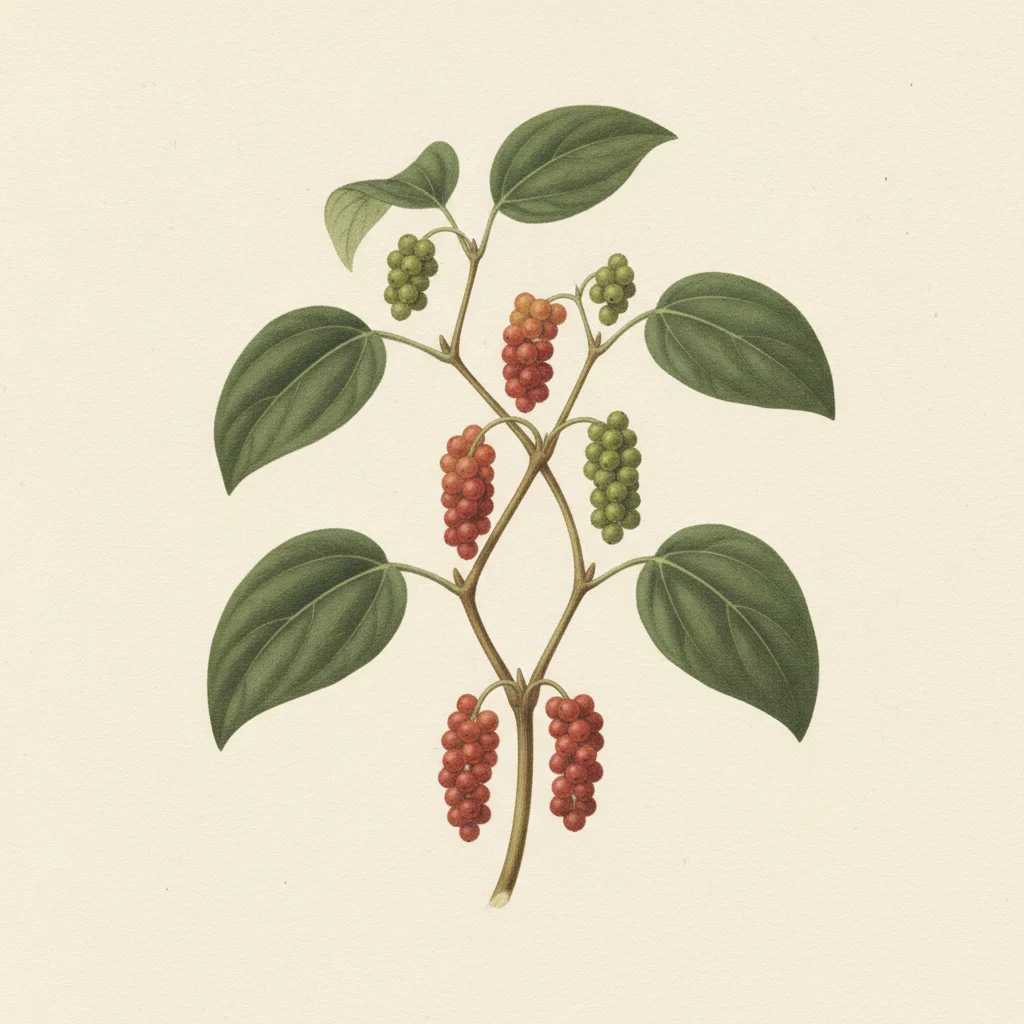
Black pepper
Pungent, sharp, woody, warmly biting
Black pepper is the dried unripe fruit of Piper nigrum, a tropical vine native to the Malabar Coast of southern India, and the most traded spice in the world. The berries are picked green and dried until they wrinkle and blacken into peppercorns. The flavor is pungent and sharp with a woody warmth, and its heat comes from a compound called piperine rather than the capsaicin of chiles. White, green, and black peppercorns all come from the same plant, picked and processed at different stages. For centuries pepper was valuable enough to be used as money and to drive long trade routes.
Which to use when
Use black pepper as the everyday warm, sharp, woody seasoning for almost anything. Reach for grains of paradise when you want a more complex peppery heat with hints of citrus, ginger, and flowers, in spice blends, braises, and craft brewing. Black pepper is the reliable backbone; grains of paradise are the aromatic, harder-to-find one. They swap roughly one for one.
Common questions
- What are grains of paradise?
- They are the seeds of a West African plant related to ginger, with a peppery heat layered with citrus and floral notes. In medieval Europe they were a popular, costly substitute for black pepper.
- Can I substitute black pepper for grains of paradise?
- Yes, at about one for one for the heat, though you lose the citrus and floral complexity. Grains of paradise are more aromatic; black pepper is sharper and plainer.
- Are grains of paradise hot?
- Moderately, in the way pepper is. The heat is warm and peppery rather than chile-like, with extra citrus and herbal notes that set it apart from black pepper.
Stay in the loop
From the Almanac
Updates from Spice Almanac, when there is something worth sharing.