Dried lime vs sumac
Both are dry, sour spices from the Middle East used to brighten a dish without lemon juice, but they sour it in very different ways. One is fresh and lemony, the other deep and fermented.
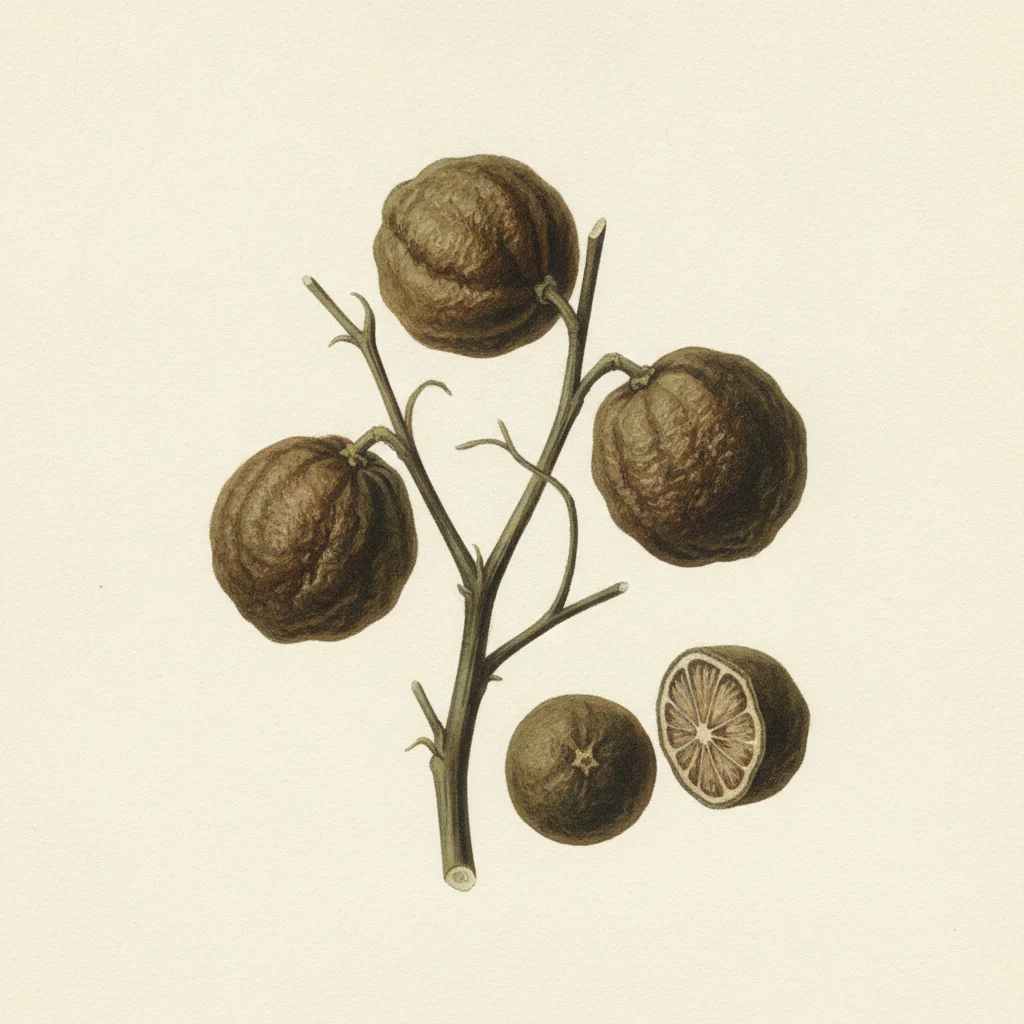
Dried lime
Sour, fermented, musty, intensely citrus
Dried lime is a whole lime that has been boiled in brine and sun-dried until hard and hollow, turning tan to nearly black inside. The drying ferments and concentrates the fruit into something sour, musty, and intensely citrus, far removed from a fresh lime. It is a hallmark of Persian and Iraqi cooking, simmered whole in stews and soups for a deep, tangy backbone, or ground into a dark powder. Whole limes are pierced and added to the pot, then discarded; the powder is stirred in directly. It adds sourness with a savory, almost smoky depth.
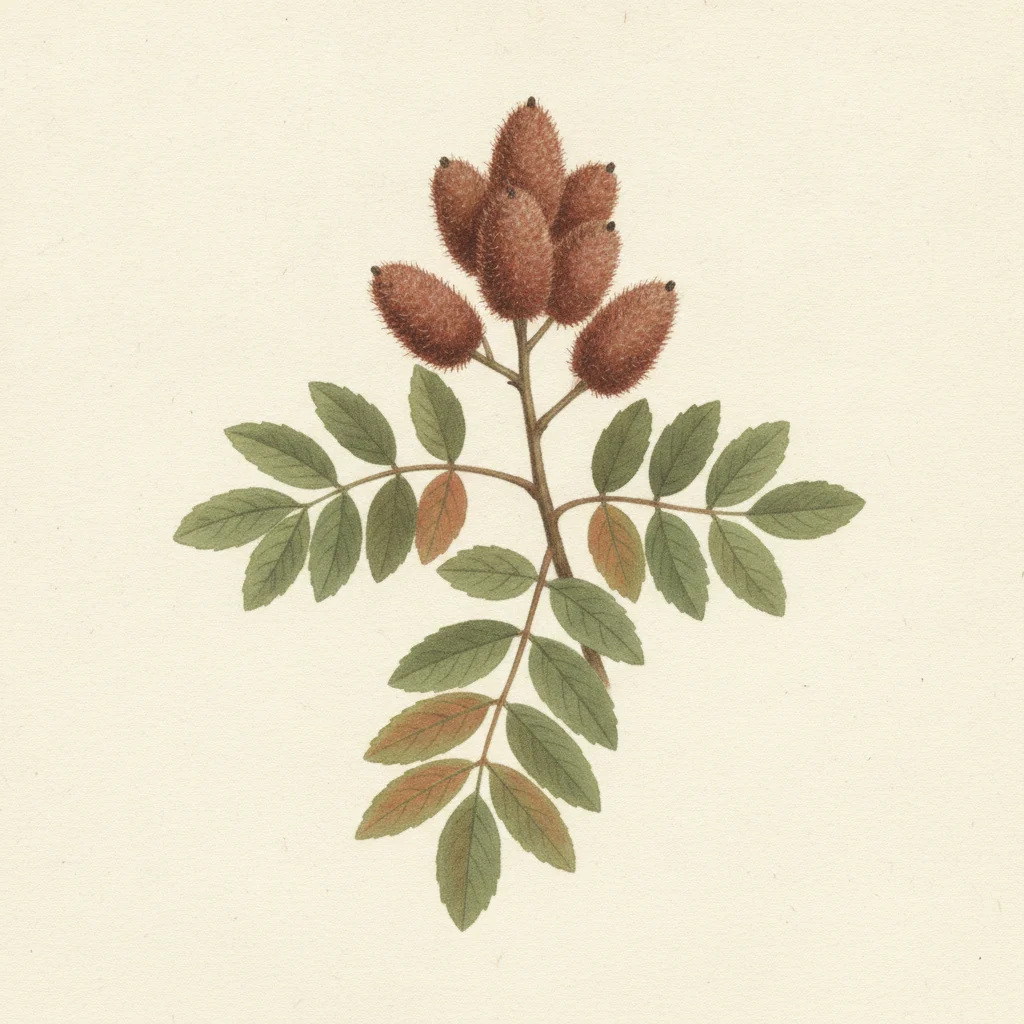
Sumac
Tart, lemony, fruity, deep red
Sumac is a tart, lemony, deep-red spice ground from the dried berries of Rhus coriaria, a shrub that grows around the Middle East and Mediterranean. The coarse crimson powder tastes bright and sour with a fragrant, slightly fruity edge, and it adds acidity without the liquid of lemon juice, which makes it useful for rubs, dips, and dressings. It is a defining note in Levantine cooking, scattered over hummus, fattoush salad, and grilled meats, and it is a main ingredient in the blend za'atar. The culinary species is unrelated to the poison sumac of North American wetlands.
Which to use when
Use sumac when you want a clean, lemony tartness dusted over chicken, chickpeas, or salads, with a fruity red color. Use dried lime, the Persian loomi, when you want a deeper, fermented, almost musty sourness simmered into stews, rice, and beans. Sumac is a finishing tartness; dried lime is a slow, brooding one cooked in whole or ground.
Common questions
- What is the difference between dried lime and sumac?
- Sumac is ground dried berries with a bright, lemony, slightly fruity tartness. Dried lime is a whole lime cured until dark and hollow, giving a deeper, fermented, musty sourness. Sumac is sprinkled on at the end; dried lime is cooked in.
- Can I substitute sumac for dried lime?
- Only loosely. Sumac adds tartness but not the fermented, musty depth of dried lime. Stirred into a stew near the end it gives brightness, but the character is different.
- Which is used in Persian cooking?
- Dried lime, known as loomi or limoo amani, is the classic Persian souring agent in stews and rice. Sumac is more associated with the Levant, dusted over grilled meats and salads.
Stay in the loop
From the Almanac
Updates from Spice Almanac, when there is something worth sharing.